
Can Padel Be Played Singles? Complete Guide
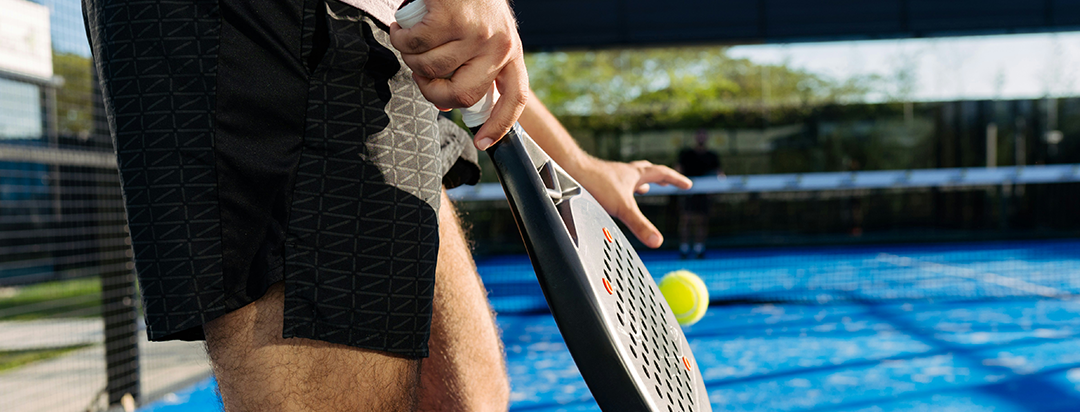
Yes, padel can be played as singles, though doubles is the standard format. Singles is recognized with official rules, typically uses a narrower court, and keeps scoring, serving and wall rules largely the same. Each player covers the whole court, so rallies run longer and more physical.
Padel is most commonly played as a doubles sport, which leads many people to assume that singles play is not possible. In reality, padel can be played singles, but the experience differs in important ways from the standard doubles format.
Understanding how singles padel works, when it is used, and how it compares to doubles helps set realistic expectations for players considering it.
The Standard Format of Padel
Padel was designed primarily as a doubles game. The court dimensions, use of walls, and overall pace are all optimized for four players.
Most competitive matches, clubs, and recreational play follow the doubles format. This is where padel’s strategy, positioning, and rally structure are most fully developed.
Singles play exists, but it is not the default format.
Is Singles Padel Officially Recognized?
Singles padel is recognized and played, though it is far less common than doubles. Some clubs and competitions offer singles matches, and there are official rules for singles courts.
That said, singles padel is not as widely standardized or promoted as doubles padel, especially at higher competitive levels.
Differences Between Singles and Doubles Courts
One of the biggest differences in singles padel is the court size.
Singles padel is typically played on a narrower court than doubles padel. This adjustment is important, as using a full doubles court for singles would create too much open space and reduce rally quality.
With a narrower court, singles padel becomes more balanced and physically demanding.
How Singles Padel Is Played
In singles padel, each player covers the entire court on their own. The rules regarding scoring, serves, and wall usage remain largely the same as in doubles.
Rallies tend to be longer and more physical, with greater emphasis on shot placement, stamina, and defensive movement. There is less reliance on teamwork and more focus on individual decision making.
Strategic Differences in Singles Padel
Singles padel requires a different tactical approach.
Because there is no partner to cover space, players must be more selective with aggressive shots. Positioning becomes critical, and defensive play takes on greater importance.
Shot selection often favors consistency and recovery rather than constant pressure at the net.
Physical Demands of Singles Play
Singles padel is more physically demanding than doubles. Players are responsible for covering the entire court, which increases running, recovery, and endurance requirements.
This makes singles padel appealing to players looking for a more intense workout or a game that emphasizes individual fitness.
When Singles Padel Makes Sense
Singles padel can be a good option when there are only two players available or when players want a different type of challenge.
It can also be useful for training, as it improves movement, conditioning, and shot discipline. Some players use singles play to sharpen skills that carry over into doubles matches.
Limitations of Singles Padel
Despite its benefits, singles padel does not fully replicate the experience padel is known for. The teamwork, fast exchanges at the net, and shared court coverage that define doubles play are reduced.
Because of this, many players still prefer doubles for regular play.
Is Singles Padel Common in Competition?
Singles padel competitions exist but are relatively rare compared to doubles tournaments. Most organized padel events focus on doubles divisions.
Singles play remains more common in practice settings or informal matches rather than in mainstream competition.
Final Answer on Singles Padel
Yes, padel can be played singles. It is a legitimate format with its own court setup and playing style.
However, padel is fundamentally designed as a doubles sport, and singles play offers a different experience rather than a replacement. For players seeking variety, fitness, or solo competition, singles padel can be a worthwhile option.
Gametime Hero is the AI-powered operating system for active communities.
If you're organizing a community and tired of the chaos, start here

