Lorem ipsum dolor sit amet, consectetur adipiscing elit ut liqua purus sit amet luctus venenatis, lectus magna.

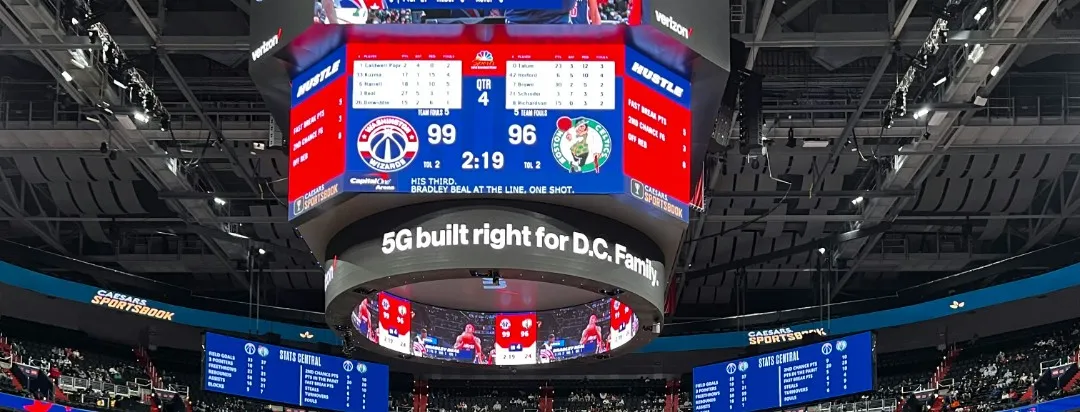
The WNBA schedule packs an entire year of storylines into a window that typically runs from May through October. With 12 teams and multiple in-season events, the league has created a tight yet action-filled calendar that rewards consistency and late-season momentum alike.
Whether you are a new fan or returning after a few seasons away, understanding the league’s format will help you follow every pivotal night. This guide walks through the key phases of a WNBA season, from Opening Night to the trophy presentation.
A typical WNBA campaign begins in early May with training camps opening about two weeks prior. The regular season runs roughly 16 to 18 weeks, followed by a month of playoff basketball that draws to a close in early October.
Because the league shares summer television windows with other sports, dates can shift slightly each year, but the sequence of events remains stable.
Each of the 12 franchises plays 40 games, facing every opponent both home and away while filling the remaining dates with additional matchups based on geographic and broadcast considerations.
Standings are determined strictly by win-loss record. There are no conference divisions when it comes to playoff seeding, so a strong record against the entire league is what matters most.
Introduced in 2021, the Commissioner's Cup is an in-season competition that designates 10 regular-season games per team as Cup games. These contests are the first home game and first road game each team plays against its five conference rivals.
The top Cup team from the Eastern and Western Conferences meet in a single-game final, usually in late August, with prize money on the line. Cup games still count toward overall standings, adding extra stakes without lengthening the calendar.
Around the halfway mark, the league pauses for All-Star Weekend. Fans, media and players vote in the starters, while coaches select the reserves. The three-point contest and skills challenge usually take place the night before the game.
Because roster spots are limited in the WNBA, earning an All-Star nod carries significant prestige and can influence contract negotiations later in a player’s career.
Eight of the 12 teams advance to the postseason based on overall record. There are no divisions or conferences involved in seeding, so the best eight teams league-wide move on.
If two or more clubs finish with identical records, the league applies head-to-head record first, then overall point differential, and finally a coin toss if all other tiebreakers fail.
Starting in 2022, the WNBA shifted to a three-round playoff bracket featuring series in every round. The first round is a best-of-three with games one and two hosted by the higher seed. The semifinals and Finals are both best-of-five with a 2-2-1 home-court pattern.
No teams receive byes under the current system, which heightens the importance of closing the regular season strong and securing a top seed for home-court advantage.
The WNBA has refined its season structure to showcase elite talent, deliver meaningful in-season competitions and conclude with a playoff format that rewards depth. Every phase, from the Commissioner's Cup to the Finals, carries weight in determining a champion.
With this roadmap in hand, you can follow each milestone on the calendar and appreciate the strategy behind roster moves, player rest and late-season pushes for seeding. Set your reminders early, because the action moves quickly once the first ball is tipped.
Gametime Hero is the AI-powered operating system for active communities.
If you're organizing a community and tired of the chaos, start here
You know your community best — we know how to help it thrive.
You're already doing the hard part: building a community people care about. Gametime Hero gives you events, registration forms, a custom website, payments, scheduling, and communications — so you can stop juggling tools and start scaling.
Whether you run a weekly pickup group or a multi-season league, we'll walk you through exactly how it works for your setup.


Explore our collection of 200+ Premium Webflow Templates