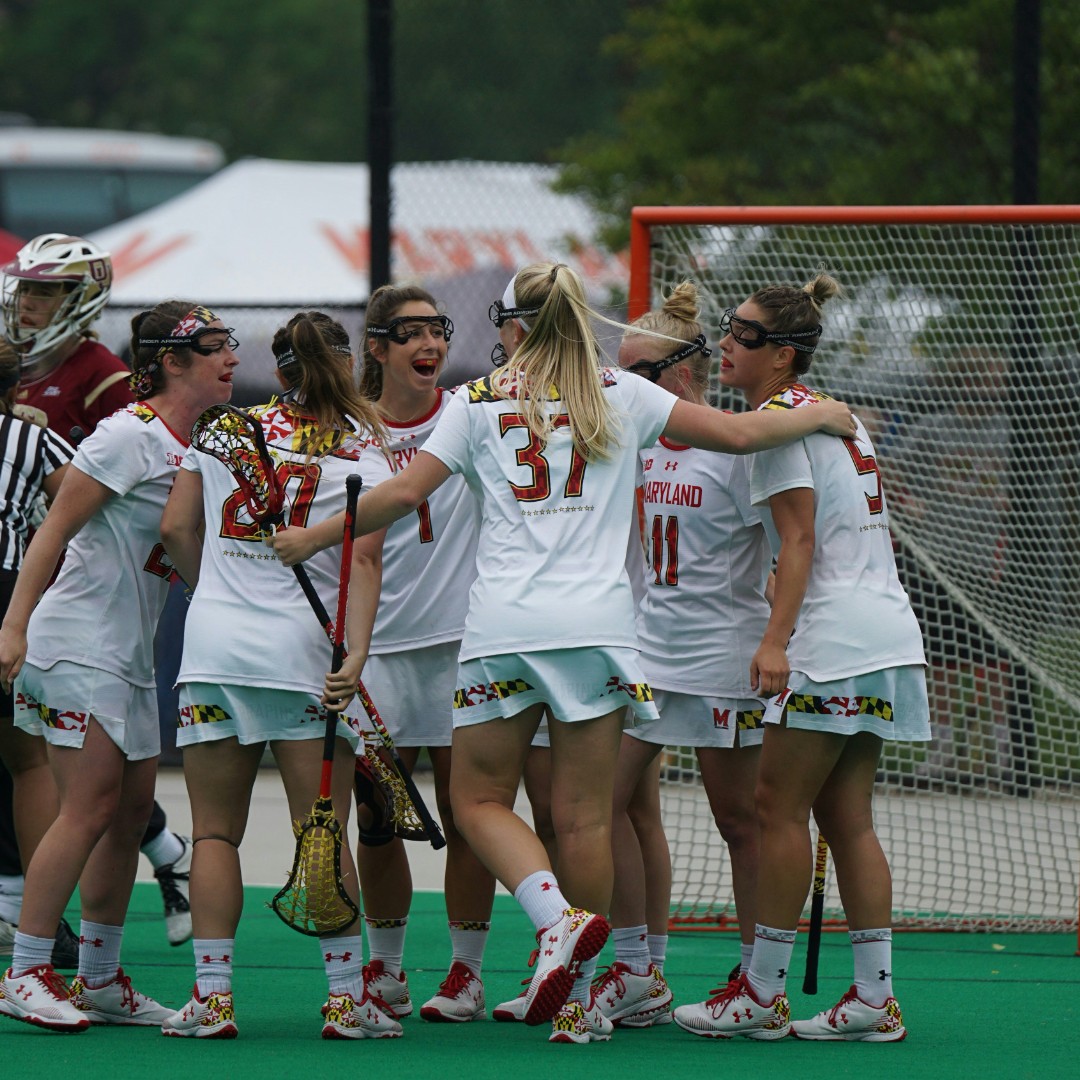
Lorem ipsum dolor sit amet, consectetur adipiscing elit ut liqua purus sit amet luctus venenatis, lectus magna.

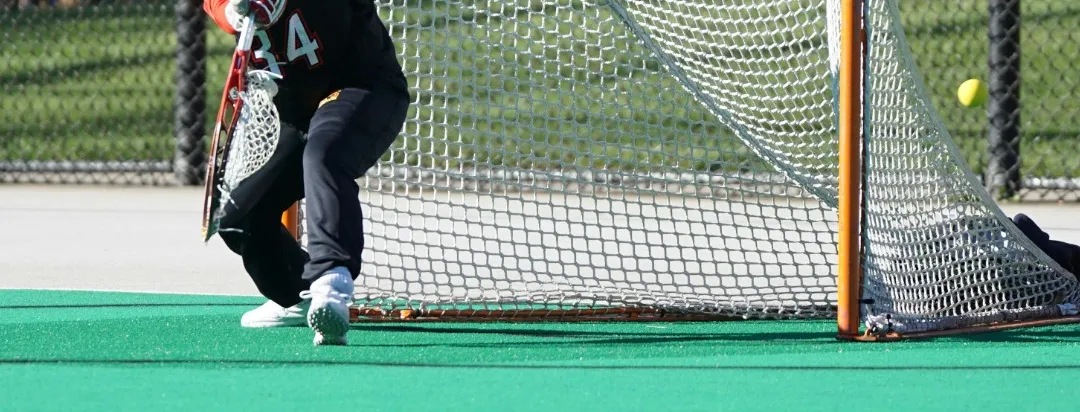
Lacrosse is known for its nonstop action, but the clock on the scoreboard rarely tells the full story. Regulation time is only part of the equation, and it changes depending on the age group and governing body.
Whether you are a new fan, a parent planning your Saturday, or a player curious about what to expect, understanding the official lengths and the real-world runtime of a lacrosse game is essential. Here is a complete breakdown.
Most recreational youth leagues keep games short to accommodate developing skills and attention spans. A common format is four 8-minute stop-time quarters, totaling 32 minutes of regulation play.
Some leagues switch to running time, where the clock stops only on goals, timeouts, or injuries. Running time games often finish in under an hour, even with breaks between quarters.
Under National Federation of State High School Associations rules, varsity boys and girls play four 12-minute stop-time quarters for 48 minutes of regulation.
Junior varsity matches can shorten each quarter to 10 minutes. Halftime is usually 10 minutes, and the brief intermissions between quarters add another two to three minutes.
The NCAA adopted a four-quarter format in 2021. Each quarter runs 15 minutes of stop time, giving college lacrosse a 60-minute regulation length similar to football and hockey.
Televised contests feature media timeouts that extend the real-time experience. When you include halftime and stoppages, expect a typical college game to last about two hours from opening faceoff to final horn.
Major League Lacrosse formerly used four 15-minute quarters, while the Premier Lacrosse League currently plays four 12-minute quarters for a 48-minute regulation window.
Indoor lacrosse tells a different story. The National Lacrosse League, which is a box version of the sport, features four 15-minute quarters, but the smaller playing surface and frequent whistles often keep the total broadcast under two hours.
Between quarters and at halftime the game clock pauses but the time still counts toward how long spectators remain at the venue.
Most levels allot two minutes for the short breaks and ten minutes for halftime. Tournament directors sometimes shorten these windows to keep events on schedule.
Tied games go to sudden-victory overtime. At most levels one or more four-minute periods are played until a goal is scored. A thrilling overtime can tack on just seconds or stretch the evening by 20 minutes or more.
Other factors that inflate real-world runtime include video reviews, penalties, injuries, and weather delays. Tournament settings also inject mandatory field turnover times that shift the schedule.
On paper a lacrosse game ranges from 32 to 60 minutes of regulation, yet fans routinely spend 90 minutes to two hours at the field. Differences in age group, rule set, and stoppages affect the final tally.
Knowing the official clock and the practical timeline helps players plan their warm-ups, parents manage calendars, and viewers tune in for the best parts without missing the winning goal.
Gametime Hero is the AI-powered operating system for active communities.
If you're organizing a community and tired of the chaos, start here
You know your community best — we know how to help it thrive.
You're already doing the hard part: building a community people care about. Gametime Hero gives you events, registration forms, a custom website, payments, scheduling, and communications — so you can stop juggling tools and start scaling.
Whether you run a weekly pickup group or a multi-season league, we'll walk you through exactly how it works for your setup.


Explore our collection of 200+ Premium Webflow Templates