
How to Start a Hiking Group: Complete Guide
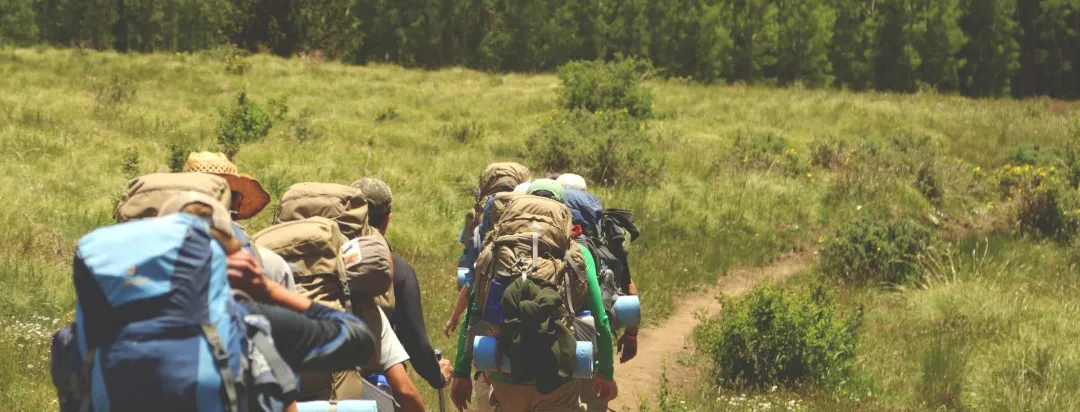
To start a hiking group, clarify your purpose and write a short mission statement, then choose a consistent format and schedule, such as a recurring monthly Saturday. Plan logistics like parking, permits and water, use a template for event details, and recruit members with beginner-friendly routes of three to six miles.
Hiking is often viewed as a solitary escape, yet exploring the backcountry with like-minded people can transform every mile into a shared adventure. A dedicated group adds motivation, improves safety, and builds friendships that last far beyond the trailhead.
Starting your own hiking group may feel daunting, but it boils down to clear planning, smart promotion, and consistent leadership. This guide walks you through each stage so you can welcome your first members with confidence and keep them coming back for more.
Clarify Your Purpose First
Before posting invitations, settle on the kind of experience you want to create. Some groups focus on weekend summit pushes, others prefer casual nature walks, and a few prioritize social hours after the hike. Your purpose shapes everything from route selection to group size.
Write a short mission statement that answers three questions: who the group serves, what terrain or pace to expect, and how often you will meet. That single paragraph becomes your north star when decisions get tricky.
Choose a Format and Schedule
Consistency builds trust, so decide how frequently you will host outings and stick to it. Many successful clubs pick a recurring day such as the first Saturday of each month. Others post events weekly during fair weather and taper in winter.
Next, outline hike lengths and elevation ranges that match your target audience. Newcomer-friendly routes between three and six miles are ideal for the first few events. You can always introduce longer treks once the group gains experience.
Plan Logistics Ahead of Time
Scout every trail you intend to use or study reliable topo maps. Confirm parking availability, permit requirements, water sources, and restroom access. Having these details at hand prevents surprises on hike day.
Prepare a simple template for each event description: meeting time, exact coordinates or landmark, difficulty rating, estimated duration, gear checklist, and emergency contact info. Members appreciate clear expectations and will be more likely to RSVP.
- Difficulty scale: easy, moderate, strenuous
- Essential gear: footwear, layers, water, snacks
- Carpool or public transit options
Recruit Members and Spread the Word
Start with personal networks. Invite coworkers, neighbors, and friends who already enjoy the outdoors. Even a launch crew of four or five provides critical momentum.
To reach a wider audience, list events on community platforms like Meetup, Facebook Groups, or local outdoor forums. Use clear photos, concise titles, and mention the skill level right away so the right hikers find you.
Set Ground Rules for a Smooth Experience
Written guidelines help prevent conflicts later. Cover punctuality, pace etiquette, Leave No Trace principles, pet policies, and how late cancellations are handled. Post the rules where members register so nobody is caught off guard.
Encourage open communication during hikes. A quick head count at every junction plus regular water breaks keeps the group together and reduces risk of separations.
Prioritize Safety and Risk Management
Carry a basic first aid kit, paper map, and fully charged phone on every outing. For remote trails, consider a satellite communicator. Assign a sweeper who hikes last to ensure no one falls behind.
Collect emergency contact details during sign-up and review any medical conditions privately with participants. Share a post-hike message confirming everyone returned safely so members feel cared for.
- Check weather forecasts 24 hours and 2 hours before departure
- Create a simple incident report form for future reference
Keep Engagement High After Launch
Consistency alone will not guarantee retention. Celebrate milestones, share photos in a group chat, and invite feedback about future destinations. Members who feel heard become your best ambassadors.
Rotate leadership as the group grows. Empower experienced hikers to host their own events under the same banner, which diversifies trip styles and prevents burnout for the original organizer.
Conclusion
Launching a hiking group is less about paperwork and more about nurturing community. With a clear mission, dependable schedule, and commitment to safety, you will attract people who appreciate both the journey and the camaraderie.
Put the first date on the calendar, share the invite, and watch your idea take life on the trail. The mountains will handle the rest.
Gametime Hero is the AI-powered operating system for active communities.
If you're organizing a community and tired of the chaos, start here

