Lorem ipsum dolor sit amet, consectetur adipiscing elit ut liqua purus sit amet luctus venenatis, lectus magna.

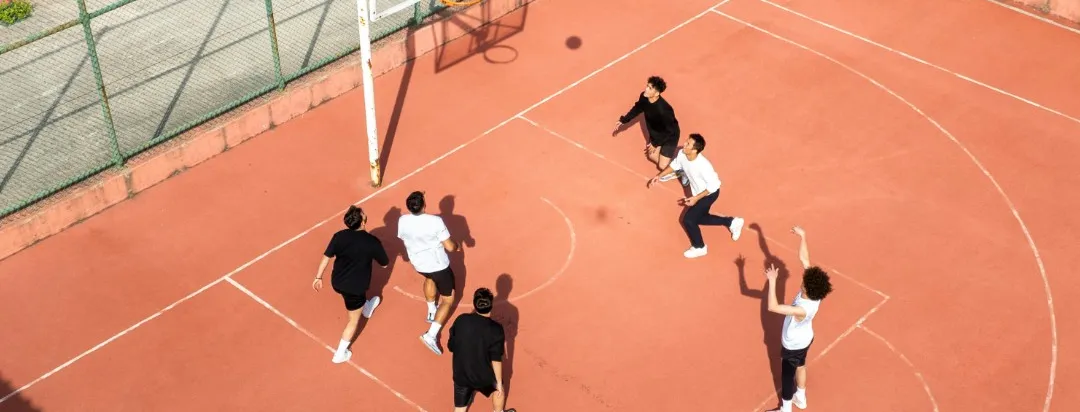
Whether you are a weekend hooper or a varsity starter, missed free throws can haunt the scoreboard and your confidence. The good news is that foul shots involve zero defensive pressure, which means improvement is squarely in your control.
From mechanical tweaks to mental preparation, this guide breaks down the most effective ways to turn the free-throw line into a reliable scoring spot.
Great free-throw shooters look almost robotic at the line. That is intentional. A repeatable pre-shot routine reduces variables and calms nerves, giving your body the same cue set every time.
Choose a simple sequence, maybe two dribbles, a deep breath, and a focused look at the rim, then commit to it in every practice and game. Over time, the ritual becomes muscle memory, allowing you to focus on feel rather than mechanics.
Even a flawless routine cannot overcome flawed form. Sound mechanics start from the ground up: feet shoulder-width apart, dominant foot slightly forward, knees relaxed. The shooting arm should form a 90-degree angle, wrist cocked, with the non-shooting hand used only for balance.
Focus on a smooth upward motion, finishing with a high follow-through and soft wrist snap. Aim for a gentle arc that peaks just above the top of the backboard square to maximize margin for error.
Free throws are as much a psychological battle as a physical one. Crowd noise, scoreboard pressure, or a recent miss can hijack concentration if you let them.
Combat anxiety with controlled breathing, positive self-talk, and visualization. Before receiving the ball, picture the shot going in, then let the routine take over. By steering your thoughts, you keep external factors from dictating results.
Mindless reps help, but purposeful drills drive faster gains. Mix volume shooting with pressure simulations. For example, shoot ten free throws, sprint a down-and-back, then shoot ten more. Fatigue adds game-like tension.
Another favorite is the "perfect 5": you cannot leave the gym until you swish five in a row. The added stakes mimic late-game scenarios where every point matters.
Improvement that is not measured often stalls. Keep a free-throw log detailing attempts, makes, and percentage each session. Over weeks you will notice trends and plateaus.
Use video to spot subtle form breakdowns, then tweak one variable at a time. Small, data-driven adjustments prevent you from overhauling a working shot and ensure steady upward momentum.
Upper body stamina keeps mechanics stable deep into games. Weak shoulders cause elbows to flare, ruining alignment and touch.
Incorporate band pull aparts, wrist curls, and core planks into your routine. A stronger kinetic chain translates to less mechanical breakdown and more makes.
Raising your free-throw percentage is a blend of science and repetition. Nail down a repeatable routine, refine mechanics, strengthen your mindset, practice under pressure, and let data guide improvements.
Commit to these fundamentals and the next time you walk to the stripe, you will do so with full confidence that the points are already on the board.
Gametime Hero is the AI-powered operating system for active communities.
If you're organizing a community and tired of the chaos, start here
You know your community best — we know how to help it thrive.
You're already doing the hard part: building a community people care about. Gametime Hero gives you events, registration forms, a custom website, payments, scheduling, and communications — so you can stop juggling tools and start scaling.
Whether you run a weekly pickup group or a multi-season league, we'll walk you through exactly how it works for your setup.


Explore our collection of 200+ Premium Webflow Templates