
Padel Tie Break Rules: Full Overview
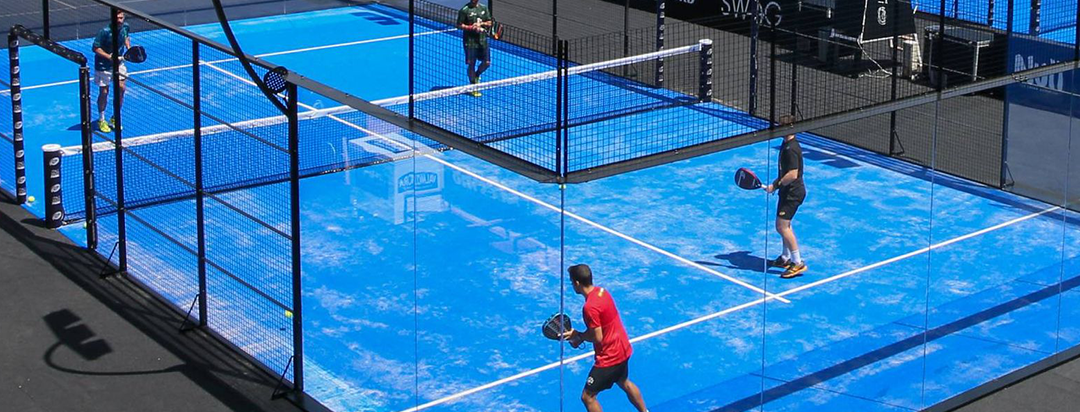
A padel tie break is played when a set reaches 6-6. It goes to 7 points, and you must win by two, so it can finish 9-7 or 10-8. The first server serves one point, then serve alternates every two points, and players change ends after every six points.
Tie breaks in padel are used to decide sets that remain even after extended play. While the format shares similarities with other racket sports, padel tie break rules have their own structure and nuances.
Understanding how tie breaks work helps players manage pressure situations and follow match scoring more clearly.
When a Tie Break Is Used in Padel
A tie break is played when a set reaches 6–6.
Rather than continuing games indefinitely, the tie break is used to determine the winner of the set. This applies to most competitive and recreational padel matches unless a specific tournament format states otherwise.
The tie break replaces the need to win a set by two full games.
Basic Tie Break Scoring Format
Padel tie breaks are played to 7 points, but a player or team must win by at least two points.
This means a tie break can extend beyond seven points if the score remains close. For example, a tie break may finish 9–7 or 10–8.
Points are counted numerically rather than by games.
Serving Order During a Tie Break
Serving rules change slightly during a tie break.
The player who would normally serve next in the rotation serves the first point only. After that, serve alternates every two points.
Serve also alternates between sides of the court according to standard padel serving rules, starting from the right side.
Changing Ends of the Court
Players change ends of the court after every six points played in the tie break.
This helps maintain fairness by balancing environmental factors such as lighting or court conditions.
Changes of ends happen quickly and do not include extended breaks.
Doubles Tie Break Rotation
In doubles padel, the serving rotation continues as it would during regular games.
Both players on a team will serve during the tie break if it extends long enough. Partners maintain their normal court positions unless they choose to switch strategically between points.
Receiving order also follows the established rotation.
Deciding Set and Match Outcomes
Winning the tie break wins the set.
In matches played as best of three sets, the winner of the tie break takes the set and play continues if needed. In final sets, some formats may use a standard tie break, while others may apply different rules depending on the competition.
Always confirm match format before play begins.
Differences Between Padel and Tennis Tie Breaks
Padel tie breaks are very similar to tennis tie breaks, which can cause confusion for players switching between sports.
One key difference is the consistent use of underhand serving in padel and the importance of wall play during points. Strategically, padel tie breaks often involve longer rallies and more defensive positioning.
Despite these differences, the scoring structure remains familiar.
Strategic Considerations During a Tie Break
Tie breaks place a premium on consistency and decision making.
Because each point carries increased weight, players often focus on reducing unforced errors rather than forcing winners. Communication between partners becomes especially important in doubles play.
Managing nerves and maintaining disciplined shot selection often determines the outcome.
Common Misunderstandings About Tie Breaks
Some players mistakenly believe tie breaks are played to ten points or that serve alternates every point. Neither is true under standard rules.
Others assume there is a rest period before a tie break begins. In most cases, play continues with only a brief transition.
Knowing the correct rules avoids confusion and disputes.
Do Tie Break Rules Ever Vary?
Tie break rules can vary slightly in exhibition matches or informal play. Some leagues may choose alternative formats for final sets or social matches.
However, the 7 point win by two structure is the most widely used and recognized standard.
Final Overview of Padel Tie Break Rules
Padel tie breaks are used at 6–6 to decide a set. They are played to seven points, require a two point margin, rotate serves every two points, and include side changes every six points.
Understanding these rules helps players approach high pressure moments with confidence and clarity.
Gametime Hero is the AI-powered operating system for active communities.
If you're organizing a community and tired of the chaos, start here

