
How Long Does a Pickleball Game Last? Full Overview
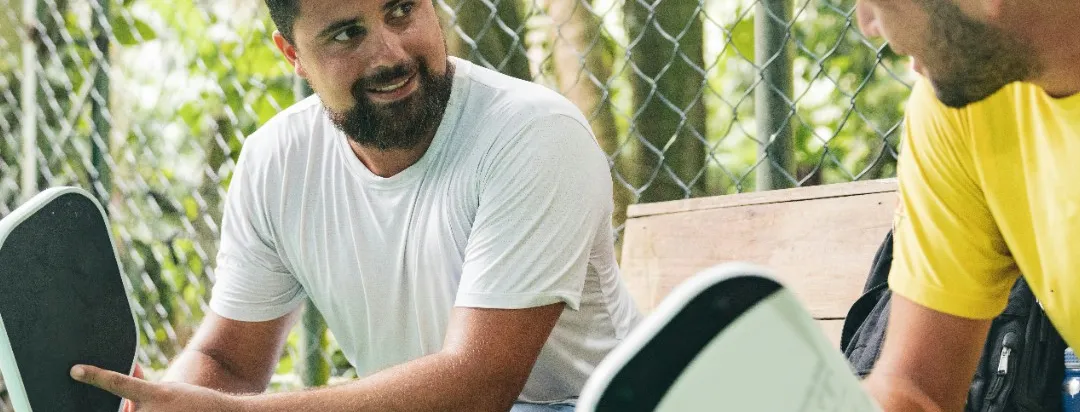
A typical pickleball game to 11, win by 2, lasts between 12 and 20 minutes when players are evenly matched. Best-of-three matches run roughly 30 to 50 minutes. Games to 15 take 18 to 30 minutes, games to 21 take 25 to 40, and singles finish 3 to 5 minutes sooner than doubles.
Pickleball is known for its quick rallies and approachable learning curve, yet newcomers often wonder how long a full game actually takes. The answer is not one size fits all, because match duration depends on scoring rules, player skill, and even the pace of play between points.
This guide breaks down the average length of casual and competitive games, explains why certain matches wrap up faster than others, and offers tips on planning your court time with confidence.
Standard Scoring: 11 Points, Win by 2
Most recreational play uses an 11 point game with a win by 2 requirement. Under this format, a typical singles or doubles game lasts between 12 and 20 minutes when players of similar skill levels meet.
Because only the serving side can score, rallies sometimes stretch longer than in sports where each rally produces a point. When teams alternate service quickly, the clock can run a little longer.
Alternate Formats and Their Timelines
Tournaments frequently shift to best of three games to 11, which pushes a full match to roughly 30-50 minutes. Championship rounds may adopt games to 15 or 21 for a decisive finish.
Longer point caps sound dramatic, yet experienced players often trade side outs swiftly, keeping total court time within an hour even in extended formats.
- Game to 15, win by 2: 18-30 minutes
- Game to 21, win by 2: 25-40 minutes
Singles vs Doubles: Which Runs Longer?
Singles matches can be faster because only one player covers each side, leading to shorter rallies and more unforced errors. Doubles, however, involves four players and more strategic dinking, which can stretch point length.
On average, expect singles games to wrap up 3-5 minutes sooner than doubles under identical scoring rules.
Pace of Play Factors
Player routines between rallies, such as towel breaks, paddle taps, or discussions, add up quickly. Competitive matches with referees typically enforce a 10 second rule on serves, curbing downtime.
Weather also matters. Windy conditions trigger lets and re serves, while extreme heat can slow players as they conserve energy.
Planning Your Court Reservation
For open play or casual ladder sessions, booking a one hour slot usually covers warm up plus two complete games. If you expect multiple best of three matches, leaning toward a 90 minute reservation is safer.
Group outings with rotation should schedule at least two hours when more than six players share a court, giving everyone a fair number of games without rushing.
Tips to Speed Up Games
Recreational play can drag when players linger between rallies. Agreeing on quick serve habits and bringing backup balls reduces downtime.
Streamlined rotations and clear score calling also keep everyone focused, allowing more games within a fixed reservation.
- Keep serves within 10 seconds
- Limit mid game discussions
- Have extra balls ready
Conclusion
A single pickleball game commonly falls in the 12-20 minute window, but match length climbs when point targets increase, rallies lengthen, or breaks grow frequent.
By understanding the scoring format and variables at play, you can better estimate how long you will be on the court and plan your sessions or tournament days with minimal surprises.
Gametime Hero is the AI-powered operating system for active communities.
If you're organizing a community and tired of the chaos, start here

