
Racquetball vs Squash: Similarities & Differences Explained
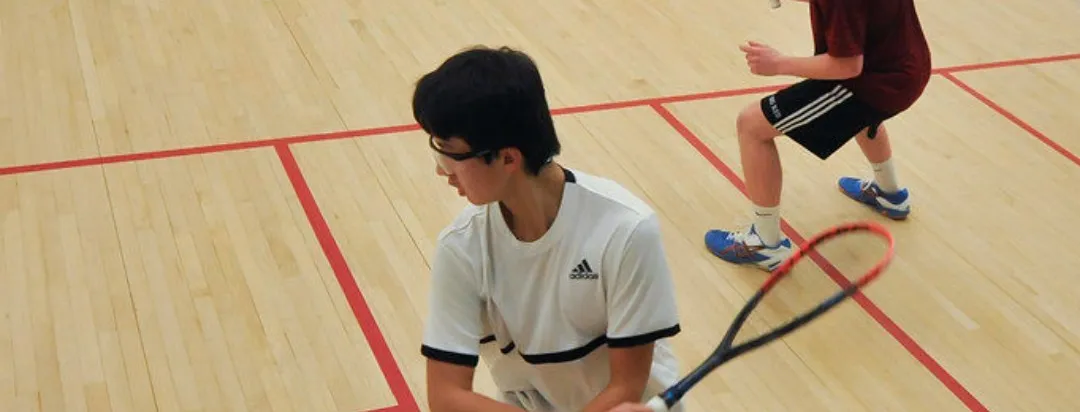
Both racquetball and squash are played on enclosed four-wall courts, but they differ in size and equipment. A squash court is 32 by 21 feet with a front-wall tin, and racquets cap at 27 inches. A racquetball court is 40 by 20 feet with the ceiling in play, and racquets max out at 22 inches.
Racquetball and squash often get mentioned in the same breath, and at a glance they do look alike. Both take place on enclosed courts, rely on quick reflexes, and deliver an intense cardio workout.
Look closer, though, and each game has its own unique feel. From court markings to ball speed, small details shape two very different playing experiences. This guide breaks down those details so you can understand where the sports overlap and where they part ways.
Origins and Growth of Each Sport
Squash dates back to 19th-century England, evolving from the older game of rackets. Its early adoption in prep schools and universities helped it spread worldwide, especially through the Commonwealth.
Racquetball is a younger invention. Joe Sobek created it in the United States in the 1950s as a faster, more accessible take on court sports. Commercial clubs quickly embraced the game, leading to a boom in North America during the 1970s and 80s.
- Squash: global player base of roughly 20 million
- Racquetball: strongest in the United States, Mexico, and South America
Court Dimensions and Layout
Both sports use four walls, yet the dimensions change the way rallies unfold. A standard squash court measures 32 ft long and 21 ft wide with a 15-inch tin across the front wall that serves as a lower boundary. Lines mark service boxes and outline an upper out-of-bounds area.
A racquetball court is a uniform rectangle, 40 ft by 20 ft, with no tin and no upper out-of-bounds line. Every surface, including the ceiling, is in play unless local rules say otherwise. This extra space encourages more ceiling shots and extended rallies.
Equipment: Racquets and Balls
Squash racquets are longer and slimmer, capped at 27 inches with a smaller string bed for precision. The ball is made of soft rubber and comes in varying speeds, identified by colored dots. The most common “double-yellow” dot travels slowly and requires players to generate pace.
Racquetball racquets max out at 22 inches and have a larger, teardrop-shaped head for extra power. The ball is bigger, hollow, and more bouncy, flying off the walls at high speed right from the serve.
Rules, Serve, and Scoring
In squash, players alternate serves after each point. Games are typically played to 11 points, win by two, and matches follow a best-of-five format. The ball must hit the front wall above the tin before striking any other surface.
Racquetball uses rally scoring to 15 points for the first two games and to 11 in a tiebreaker. The server continues serving until losing a rally. Because the ceiling is in, creative high-angle serves and defensive ceiling shots are common.
Pace and Physical Demands
Racquetball’s lively ball and larger court reward explosive movement and quick kill shots. Players often sprint the full length of the court in a single rally, leading to short bursts of intense exertion.
Squash rallies are generally longer and more strategic. The cooler, less bouncy ball forces players to control the T, work the corners, and wait for an opening. The result is a sustained aerobic workout with frequent lunges and directional changes.
Which Sport Suits You?
Choose racquetball if you crave raw speed, aggressive shot making, and flexible rules on wall use. It is easy to pick up and rewarding for players who like quick points.
Opt for squash if you enjoy extended rallies, tactical positioning, and a larger global community. Mastering the patience and precision of squash can be especially satisfying for analytical players.
Final Thoughts
Racquetball and squash share a court-sport heritage, yet each delivers its own flavor of competition. Court size, equipment, rules, and ball behavior all combine to shape distinct rhythms of play.
Whether you lean toward the explosive rallies of racquetball or the strategic chess match of squash, both sports offer excellent exercise and plenty of fun. Grab a racquet, step on court, and discover which game speaks to you.
Gametime Hero is the AI-powered operating system for active communities.
If you're organizing a community and tired of the chaos, start here

