
What Are the Rules of Walking Soccer? Full Overview
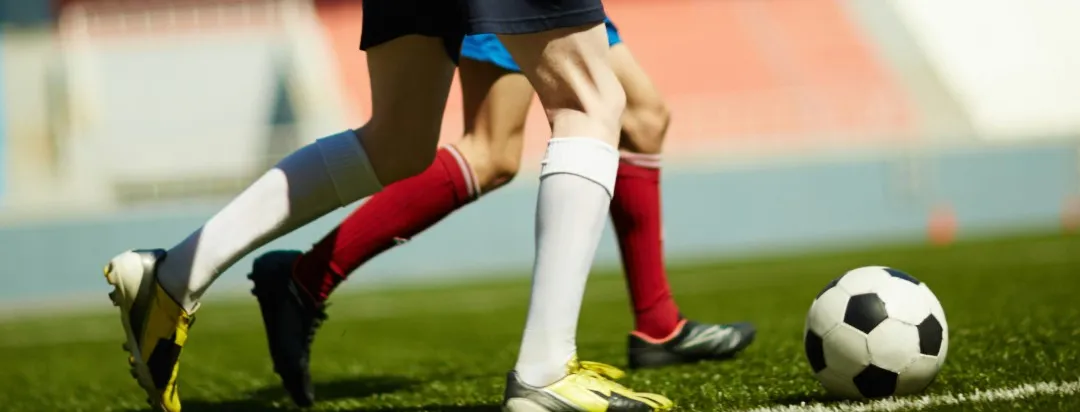
Walking soccer bans running: players must keep at least one foot on the ground, and breaking that rule gives the opposition an indirect free kick. The game is non-contact, with controlled tackles and no slide tackles. Balls restart with a kick-in rather than a throw-in, and most leagues cap ball height at shoulder level.
Walking soccer keeps the spirit of the beautiful game alive while lowering the physical demands. Players must keep one foot on the ground, avoid sprinting, and follow a few extra safety rules, making the sport ideal for older adults, injury recovery, or anyone seeking a lower-impact alternative.
Although the pace is slower, the rules are specific and create a fresh tactical challenge. This overview breaks down everything you need to know before stepping onto the pitch for your first walking soccer match.
What Makes Walking Soccer Different?
The defining feature is the ban on running. Officials watch for any player who appears to have both feet off the ground in a stride; doing so results in an indirect free kick for the opposition. This single change alters how space is used, how quickly the ball is moved, and even how players position themselves defensively.
Other modifications aim to reduce collisions and strain. Tackles must be controlled, slide tackles are prohibited, and the ball is often restricted to below head height. These tweaks keep the game inclusive without stripping away its competitive edge.
Movement and Pace Rules
Players must walk at all times. Referees judge movement by checking whether at least one foot is always in contact with the ground. A sudden burst that breaks this rule is treated as a foul.
The walking rule also applies when challenging for the ball, making timed interceptions and clever positioning more valuable than raw speed.
Ball In and Out of Play
Standard touchlines and goal lines mark the field. When the ball wholly crosses a line, play stops and restarts with a kick-in rather than a throw-in, keeping the ball mostly on the ground.
Most leagues cap ball height to shoulder level. If a player deliberately lifts the ball higher, the opposing team receives an indirect free kick from where the infringement occurred.
Contact and Tackling Guidelines
Walking soccer is strictly non-contact. Shoulder charges, pushing, or any forceful physical challenge results in a free kick and, for repeat offenses, a blue card sin bin lasting two minutes.
Slide tackles are outlawed entirely. Instead, defenders must intercept passes or shepherd attackers away using positioning rather than physical force.
Team Size, Field Dimensions, and Equipment
Most competitions use a five-a-side or six-a-side format on pitches measuring roughly 20 to 40 yards wide and 30 to 60 yards long. Smaller goals, about 3 feet high by 9 feet wide, encourage accurate passing and finishing.
Players usually wear turf shoes or trainers rather than cleats, as many games take place on artificial surfaces. Shin guards remain mandatory, and goalkeepers may wear soft-palm gloves.
- Team size: 5–6 per side
- Pitch: 20–40 yd x 30–60 yd
- Goal size: approx. 3 ft x 9 ft
Fouls, Discipline, and Restart Procedures
Indirect free kicks restart play after most infringements, including running, high-ball violations, or contact fouls. The opposing team must stand at least three yards from the ball.
Persistent misconduct can lead to blue card sin bins or, in severe cases, red card dismissals. Because the sport emphasizes safety, referees are quick to penalize reckless play.
Scoring, Match Length, and Substitutions
A goal counts only when the entire ball crosses the goal line below the designated height limit. Heading is often disallowed, so most goals come from low, accurate shots or close-range tap-ins.
Matches typically last two halves of 10 to 25 minutes with a short halftime break. Rolling substitutions are allowed, enabling players to manage their exertion and keep the pace consistent.
Conclusion
Walking soccer delivers a tactical, social version of the sport while safeguarding players from high-impact actions. Mastering the unique rules is essential to enjoy fair play and avoid penalties.
If you are looking for a way to stay active, compete, and connect with teammates without the physical strain of full-speed soccer, learning and adhering to these guidelines will set you up for success on the walking soccer pitch.
Gametime Hero is the AI-powered operating system for active communities.
If you're organizing a community and tired of the chaos, start here

