
Shot Clock Reset Rules: Full Overview
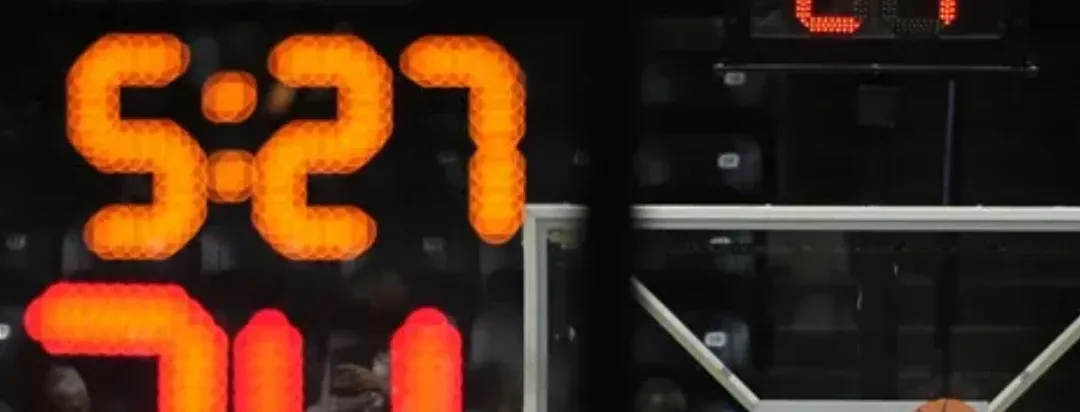
The shot clock resets to the full count after a change of team control, a technical or flagrant foul before the inbound, or a jump ball arrow change. Full lengths are 24 seconds in the NBA, WNBA, and FIBA, and 30 in NCAA. Many events, like offensive rebounds off the rim, reset it to 14.
The shot clock is a built-in timer that keeps basketball possessions moving and offenses honest. Knowing exactly when the clock resets can prevent costly turnovers and shape late-game strategy.
While the concept sounds simple, reset rules differ by league and game situation. This overview breaks down the most common triggers, the lengths of each reset, and why those seconds matter.
What the Shot Clock Actually Does
The shot clock counts down the maximum time a team has to attempt a field-goal try once it gains possession. If the horn sounds before the ball leaves the shooter’s hand, the possession ends in a violation.
Resetting gives the offensive team a new window, either the full allotment or a shortened one, depending on how the ball becomes live. Understanding those distinctions is crucial for players, coaches, and fans tracking the game.
Standard Reset Lengths
• NBA and WNBA: 24 seconds
• NCAA Men: 30 seconds
• NCAA Women: 30 seconds
• FIBA: 24 seconds
These values represent a fresh possession. Anything shorter is considered a partial reset.
When the Clock Resets to the Full Count
1. Change of Team Control - After a made basket, defensive rebound, steal, or when a live ball enters the court following an inbound, the offense receives the complete shot clock.
2. Technical or Flagrant Fouls Before the Ball Is In-Bounded - Because the offense never used any time, officials award a full reset.
3. Jump Ball with Possession Arrow Change - If the arrow flips, the new offensive team starts with a clean slate.
Situations Calling for a 14-Second Reset
Most modern leagues favor a 14-second reset rather than returning to the full count after certain events. The intention is to quicken play while rewarding the offense for retaining the ball.
Common 14-second triggers include:
- An offensive rebound that contacts the rim
- A defensive foul or kickball in the frontcourt with 14 seconds or less showing
- A ball knocked out of bounds by the defense in the frontcourt with 14 seconds or less remaining
Key League-by-League Variations
NBA: Introduced the 14-second reset on offensive rebounds in 2018. If the rebound occurs with more than 14 seconds left, the clock continues without change.
WNBA: Mirrors the NBA rule book, including the same 14-second partial resets.
NCAA: Men’s and women’s games reset to 20 seconds after an offensive rebound. All other full-reset conditions retain the 30-second clock.
FIBA: Adopts a 14-second reset on offensive rebounds and certain frontcourt violations, aligning with NBA standards.
High School (NFHS): Most states still use a full reset because many programs play without a shot clock or employ longer counts. States adding a clock often follow NCAA rules.
Why Reset Rules Matter Strategically
Shorter resets force offenses to act decisively after rebounds, reducing the ability to dribble out significant time. That increases shot attempts and can elevate scoring.
Defenses, meanwhile, know they cannot relax once the offense corrals a miss. A 14-second window often leads to quick kick-out threes, so perimeter coverage must be immediate.
Coaches also use reset knowledge for late-game fouling decisions. Sending an opponent to the line in the frontcourt with under 14 seconds on the clock may actually reset the timer, affecting the two-for-one calculations.
Final Thoughts
Shot clock resets are more nuanced than simply flipping back to the original number. Full and partial resets vary according to how possession changes or how the defense interrupts play.
By keeping these rules straight, players can avoid violations, coaches can tailor end-game tactics, and fans can better appreciate the rapid decisions unfolding every possession.
Gametime Hero is the AI-powered operating system for active communities.
If you're organizing a community and tired of the chaos, start here

