
Soccer Throw-Ins Rules: Complete Guide
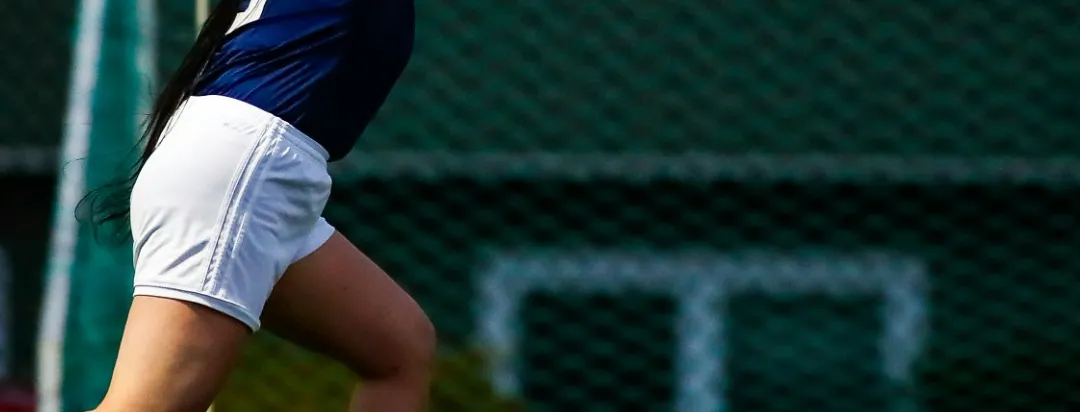
A legal soccer throw-in is delivered from where the ball crossed the touchline, facing the field, with part of each foot on or behind the line, and the ball thrown with both hands from behind and over the head. Fouls give the throw to the opponents. No goal can be scored directly from a throw-in.
A throw-in may look simple from the stands, yet it is one of soccer’s most misunderstood restarts. Whether you play on a weekend team or follow the pros, knowing the exact rules can prevent costly turnovers and sharpen game strategy.
This guide breaks down everything you need to know about throw-ins: the basic technique, common violations, special scenarios, and tactical tips that can turn a routine restart into an attacking weapon.
What Counts as a Throw-In
A throw-in is awarded when the entire ball crosses the touchline, either on the ground or in the air. The restart always goes to the opponents of the player who last touched the ball.
Unlike corner kicks or goal kicks, the ball is returned to play with the hands from the exact spot where it went out, keeping both teams honest about territory gained or lost.
Legal Technique and Positioning
To be legal, the player must face the field of play, have part of each foot on or behind the touchline, and deliver the ball from behind and over the head using both hands. The motion should be continuous without pausing halfway.
Feet may be on the line or outside it, but lifting either foot completely before the ball leaves the hands results in an illegal throw. A short hop, drag, or slight heel lift is allowed so long as some part of each foot maintains contact.
- Both feet on or behind the line
- Ball delivered from behind and over the head
- No spinning the ball with one hand
Common Violations and Their Consequences
If any part of the technique is breached, the throw is retaken by the opposing side from the same spot. Typical infractions include lifting a foot, crossing the line before release, or delivering the ball from the side of the head.
Deliberate misconduct, such as excessive time-wasting or a foul throw taken to gain an unfair advantage, can draw a yellow card in addition to the turnover.
Special Scenarios: Offside, Goals, and Own Goals
Players cannot be offside directly from a throw-in, giving attackers freedom to position behind defenders when the ball is released. The offside rule only kicks in once another player touches the ball.
A goal cannot be scored directly from a throw-in. If the ball enters the opponents’ goal untouched, play restarts with a goal kick. If it travels untouched into the thrower’s own goal, a corner kick is awarded to the opponents.
Tactical Uses of Throw-Ins
Savvy teams treat throw-ins like mini set pieces. Quick throws can exploit disorganized defenses, while long throws into the penalty area mimic a corner kick’s danger. Specialist long-throwers often train for extra distance and flat trajectories, forcing defenders to react under pressure.
Short throws, on the other hand, maintain possession by finding a nearby teammate in space. Coordinated movement, shielding, and dummy runs can turn an otherwise routine restart into a launchpad for attacks.
Youth, High School, and Professional Variations
Most governing bodies follow the International Football Association Board (IFAB) Laws of the Game, yet small differences exist at youth and scholastic levels. Some youth leagues allow a second chance after an illegal throw to encourage learning rather than punishment.
High school rules in the United States, governed by NFHS, match IFAB on the fundamentals but can differ on administrative details such as substitution windows during a throw-in.
Field Markings and Equipment Considerations
The touchline itself is part of the field, meaning the ball must fully cross it to be out. Players often leave a scuff mark or place a foot just inside the chalk to maintain balance.
Referees rarely inspect the ball specifically for throw-ins, but it must be stationary when released. Wet conditions, slick grass, or a worn-out ball can affect grip and distance, so teams keep spare match balls ready on the sideline.
Key Takeaways
Throw-ins may restart play, yet they also shape momentum, territory, and even goal-scoring chances. Mastering the fundamentals keeps the referee’s whistle silent and puts your team in control of the restart.
Whether you aim to hurl a long bomb into the box or use a quick touch to retain possession, understanding the rules outlined here equips you to make the most of every throw-in opportunity.
Gametime Hero is the AI-powered operating system for active communities.
If you're organizing a community and tired of the chaos, start here


