Lorem ipsum dolor sit amet, consectetur adipiscing elit ut liqua purus sit amet luctus venenatis, lectus magna.

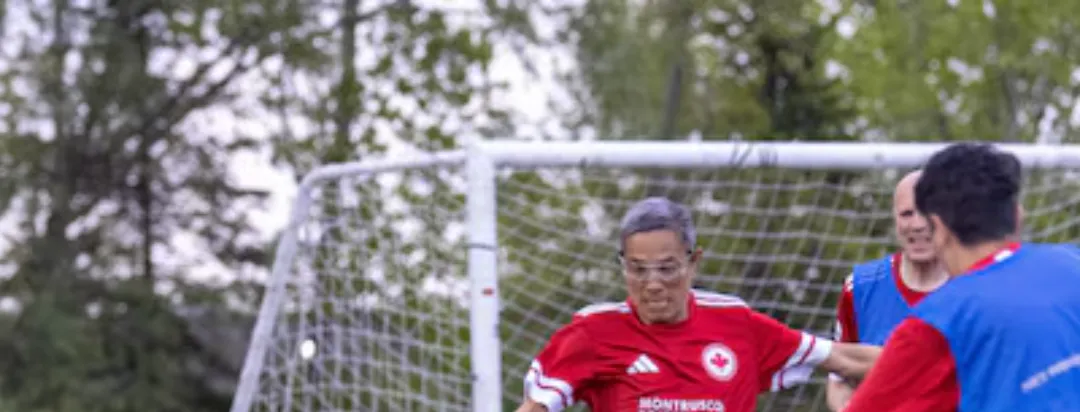
Walking soccer has exploded in popularity at recreation centers, parks, and senior leagues across the country. By removing running and hard tackles, the game opens the pitch to players of all ages who want the excitement of soccer without the strain of high-impact moves.
But does the slower pace still qualify as meaningful exercise? The short answer is yes. When played regularly, walking soccer can raise heart rates, strengthen key muscle groups, and deliver valuable mental and social benefits. Below is a closer look at why the sport stacks up well against more traditional fitness options for adults and seniors.
Walking soccer keeps the fundamental rules of the beautiful game but adds a strict no-running policy. Players must keep at least one foot on the ground at all times, and physical contact is minimized. Matches are often five-a-side or six-a-side on a reduced field with smaller goals.
These adjustments slash joint stress while maintaining the tactical elements that make soccer engaging. Because games last 30 to 40 minutes with short halves, participants get a steady workout without overwhelming fatigue.
Continuous movement, even at a walking pace, keeps the heart working throughout a match. Studies on moderate-intensity walking show improvements in blood pressure, resting heart rate, and overall aerobic capacity when performed three times a week.
For adults with arthritis or past injuries, walking soccer offers a way to elevate heart rate safely, similar to brisk walking or light cycling, while adding the fun of ball control and team play.
Kicking, passing, and frequent directional changes activate the calves, quadriceps, hamstrings, and core muscles. Over time, these micro-bursts of effort enhance lower-body strength and stability, key factors in fall prevention for older adults.
The sport also challenges proprioception. Maneuvering around teammates and opponents sharpens balance and joint mobility, leading to better functional fitness in everyday activities such as climbing stairs or carrying groceries.
A 60-minute walking soccer session can burn roughly 240 to 300 calories for a 160-pound person. While that number is lower than jogging, it edges out a casual round of golf and sits on par with water aerobics.
Caloric expenditure will vary with intensity, outdoor temperature, and individual body weight, but the key takeaway is that walking soccer fits comfortably within recommended weekly activity guidelines.
Team sports foster camaraderie, accountability, and a sense of belonging, elements often missing from solo workouts. Regular social interaction has been linked to lower rates of depression and cognitive decline in seniors.
The strategic aspect of positioning and playmaking also stimulates the brain, encouraging quick decisions and spatial awareness that may help maintain cognitive sharpness.
Even with reduced speed, participants should warm up thoroughly and wear proper footwear with good grip. Hydration and sun protection remain important for outdoor matches.
Anyone with existing medical conditions should consult a healthcare provider before joining a league. Most clubs have referees and clear rules to limit physical contact, further lowering injury risk.
Look for local walking soccer clubs at community centers or YMCAs. Many programs offer beginner sessions and loaner equipment to first-time players.
Start with one match per week and build up as conditioning improves. Complement the activity with light strength training and stretching to support joint health.
Walking soccer packs more exercise value than its leisurely appearance suggests. Consistent play increases cardiovascular endurance, strengthens muscles vital for balance, and nourishes mental wellbeing through social engagement.
For adults and seniors seeking a low-impact, enjoyable way to stay active, lacing up for walking soccer could be the perfect move.
Gametime Hero is the AI-powered operating system for active communities.
If you're organizing a community and tired of the chaos, start here
You know your community best — we know how to help it thrive.
You're already doing the hard part: building a community people care about. Gametime Hero gives you events, registration forms, a custom website, payments, scheduling, and communications — so you can stop juggling tools and start scaling.
Whether you run a weekly pickup group or a multi-season league, we'll walk you through exactly how it works for your setup.


Explore our collection of 200+ Premium Webflow Templates