
What Does a Walk Mean in Baseball?
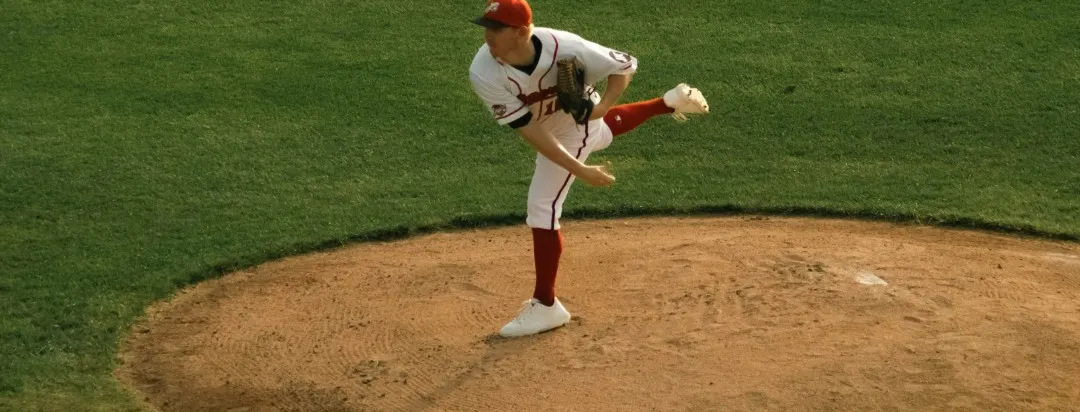
A walk in baseball, officially a base on balls and scored as BB, happens when a pitcher throws four pitches outside the strike zone that the batter does not swing at. After ball four, the batter is awarded first base without risk of being put out, and forced runners may advance.
Few moments shift the rhythm of a baseball game as subtly yet decisively as a walk. In the scorebook it is simply marked "BB," but those two letters can influence pitch counts, scoring chances, and even managerial decisions.
This article breaks down exactly what a walk is, how a batter earns one, and why the free pass holds more strategic weight than many casual fans realize.
The Basic Definition of a Walk
A walk, officially called a base on balls, occurs when a pitcher throws four pitches outside the strike zone that the batter does not swing at. Once ball four is called, the batter is awarded first base without the risk of being put out at that moment.
The ruling is immediate. Time is not called unless needed, and the ball remains live, allowing any runner already on base to advance if forced by the batter taking first.
How a Batter Earns a Walk
Plate discipline is key. Hitters must recognize pitches early and resist borderline offerings. Umpire judgment on the strike zone also plays a major role, which is why catchers often try to "frame" pitches to appear as strikes.
If a pitcher accidentally hits the strike zone during the four-ball sequence and the batter does not swing, that pitch is called a strike and the count continues. Only when four true balls are recorded does the walk take effect.
- Pitch count format: balls are announced first, strikes second (e.g., "3-2" means three balls, two strikes).
- A walk can never occur on a foul ball unless the foul tip is caught for strike three.
Strategic Value for the Offense
A walk puts a player on base without risk of an out, raising a team’s chances to score. Advanced metrics show that the average run expectancy jumps significantly with each additional baserunner, even if the batter never swung the bat.
Walks can also rattle a pitcher, inflate pitch counts, and set up big innings. Leadoff walks are especially dangerous because they force the defense to adjust to potential sacrifice bunts, hit-and-runs, or stolen bases.
Pressure on the Pitcher and Defense
From the mound, falling behind in the count limits pitch selection. Breaking balls that miss or fastballs that sail high contribute to mental fatigue and higher pitch totals, sometimes leading to early trips to the bullpen.
Defensively, a walk can trigger double-play depth or situational shifts. Fielders need to be ready for aggressive baserunning, while catchers may call for more pitches in the strike zone to regain control.
Walks in the Stat Sheet
Walks factor directly into on-base percentage (OBP), a stat many analysts value more heavily than batting average. Players who draw frequent walks often sit atop lineups because getting on base correlates strongly with runs scored.
On the pitching side, walks contribute to WHIP (walks plus hits per inning pitched). A lower WHIP usually signals better command and fewer opportunities for opponents to generate offense.
Common Misconceptions
A batter does not have to jog to first; he may run. The pace is a matter of etiquette, not rule. Likewise, runners on base move only if forced and may advance further at their own risk on an overthrow or passed ball.
Intentional walks, where the pitcher deliberately issues four balls to avoid pitching to a strong hitter, still count the same in the scorebook but involve a different tactical intent.
Conclusion
A walk may look uneventful, yet its influence touches every corner of the diamond. It rewards patient hitters, penalizes errant pitchers, and can tip the balance of an inning without a single swing.
Understanding how and why walks occur offers deeper insight into managerial decisions, lineup construction, and the hidden chess match that makes baseball endlessly strategic.
Gametime Hero is the AI-powered operating system for active communities.
If you're organizing a community and tired of the chaos, start here

