
What Is Padel? Full Guide
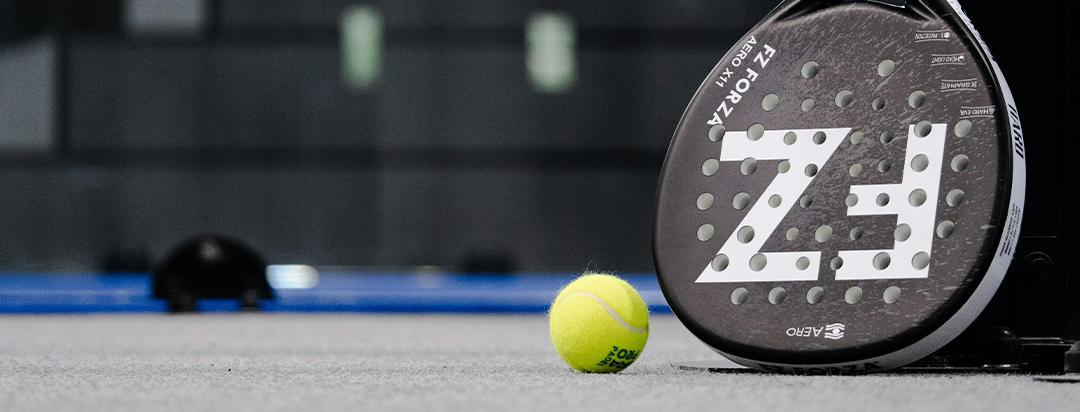
Padel is a racket sport mixing tennis and squash, usually played in doubles on a small enclosed court with glass and mesh walls that stay in play. Players use solid, stringless rackets and a low-compression ball. It emphasizes placement, rally construction, and teamwork over power.
Padel is a racket sport that combines elements of tennis and squash, played on an enclosed court with solid walls. It is typically played in doubles and emphasizes placement, rally construction, and teamwork over raw power. While padel is still emerging in some regions, its structure and style of play are clearly defined and consistent across most organized formats.
Basic Concept of Padel
Padel is played with solid rackets and a low compression ball on a court that is smaller than a tennis court and enclosed by glass and mesh walls. The objective is to win points by hitting the ball into the opponent’s side of the court in a way that makes it difficult to return legally. The walls are part of play, allowing rallies to continue after the ball rebounds.
Points are played similarly to tennis, but the environment and tactics differ significantly because of the enclosed space and wall interaction.
The Padel Court
A padel court is rectangular and enclosed on all sides. The walls are not obstacles but active elements of the game. The net divides the court into two halves, and service boxes are marked on each side.
Because the court is enclosed, players must think beyond the initial bounce. Balls that rebound off the walls can remain in play, which extends rallies and changes defensive positioning.
Equipment Used in Padel
Padel rackets are solid and perforated, without strings. They are shorter than tennis rackets and designed to offer control rather than power. The ball used in padel is similar to a tennis ball but slightly less pressurized, which slows play and increases rally length.
Footwear is also important, as movement on a padel court involves quick lateral steps and controlled pivots rather than long sprints.
Serving Rules
The serve in padel is underhand and must be hit below waist height. The ball must bounce once behind the service line before being struck and must land diagonally in the opponent’s service box.
After the bounce, the ball may hit the glass wall but must not touch the mesh fence before being returned. These serve rules reduce speed and place more emphasis on positioning from the start of the point.
Rally Play and Wall Use
Once the serve is returned, the rally begins. Players are allowed to let the ball bounce and then rebound off the walls before hitting it back. This applies on both offense and defense. Understanding wall angles is central to padel. Players often use the walls to reset points, change direction, or buy time when under pressure.
- Walls can be used after the ball bounces
- Direct hits off the wall without a bounce are not allowed
Scoring System
Padel uses the same scoring system as tennis, including games, sets, and advantage scoring in most formats. Matches are typically played as best of three sets.
While the scoring structure is familiar to tennis players, the pace and point construction feel different due to the court size and wall involvement.
Team Play and Positioning
Padel is primarily a doubles game, and teamwork is central to success. Partners must move together, cover angles, and communicate constantly.
Positioning near the net is generally advantageous, but aggressive net play must be balanced with awareness of lobs and wall rebounds.
Common Mistakes New Players Make
Players new to padel often try to hit the ball too hard or rush points. Because the court is enclosed, excessive power often leads to errors.
Another common issue is ignoring the walls. Learning when to let the ball rebound instead of hitting it immediately is a key adjustment for players transitioning from other racket sports.
How Padel Differs From Tennis
While padel and tennis share scoring and some basic mechanics, they play very differently. The enclosed court shortens reaction time and rewards control. Serves are less dominant, and rallies are typically longer.
Padel relies more on placement, patience, and cooperative movement than on overpowering opponents.
Why Padel Continues to Grow
Padel’s appeal comes from how accessible it is while still offering depth. The learning curve allows new players to rally quickly, while experienced players continue to refine tactics and positioning. Its emphasis on doubles play also makes it a social sport, with matches often centered around coordination and strategy rather than individual dominance.
Gametime Hero is the AI-powered operating system for active communities.
If you're organizing a community and tired of the chaos, start here


