Lorem ipsum dolor sit amet, consectetur adipiscing elit ut liqua purus sit amet luctus venenatis, lectus magna.

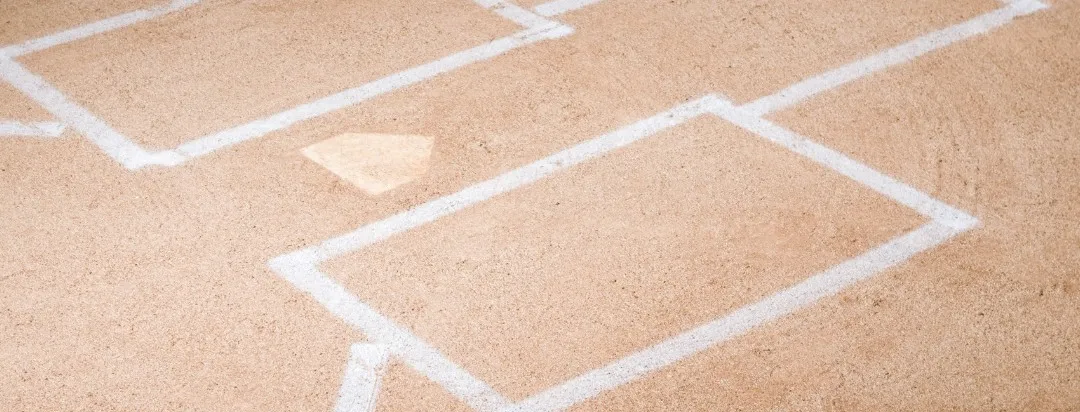
Slow-pitch softball is one of the most popular recreational sports in North America, prized for its social atmosphere and hitter-friendly style of play. Unlike fast-pitch, the sport relies on a looping underhand delivery that makes the ball easier to track and contact.
Whether you are joining a company league or just looking to understand the basics, this guide breaks down how slow-pitch works, what equipment you need, and the key rules that keep games moving.
Slow-pitch softball is a bat-and-ball game played with ten defensive fielders, seven-inning contests, and an underhand pitch that must reach a minimum arc, usually between 6 and 12 feet, before crossing home plate.
The softer, larger ball (typically 12 inches in circumference) and the slower delivery create more contact, leading to higher scores and a pace that welcomes players of varied skill levels.
While both sports share the same basic objective, score more runs than the opponent, several on-field elements set slow-pitch apart.
Most slow-pitch diamonds use 60-foot base paths and a pitching rubber set 50 feet from home plate, though some leagues extend the mound to 53 or 55 feet to curb power hitting.
Personal gear is straightforward: a composite or alloy bat that meets league testing standards, a fielder’s glove sized for the larger ball, rubber or plastic-cleated shoes, and a batting helmet in sanctioned play.
Games are normally seven innings with a mercy rule that ends lopsided contests early, often when a team leads by 15 runs after five innings.
Batters start with a 1-1 count in many leagues to speed things up. Most associations limit over-the-fence home runs per team; any excess typically counts as an out.
Slow-pitch is organized for youth, co-ed adults, seniors, and competitive tournament squads. Adult recreational leagues are the most widespread, offering spring, summer, and fall seasons in local parks.
National bodies such as USA Softball and USSSA sanction regional and national championships, while municipal parks departments handle the bulk of weekly league scheduling.
Choose a bat with a balanced swing weight if you are new; end-loaded models demand more strength and timing. Focus on a level swing through the zone because the ball descends steeply.
Positioning matters on defense: outfielders often play deeper than they expect, while infielders should be ready for hard grounders off aluminum bats.
Slow-pitch softball blends relaxed competition with genuine athletic challenge, making it a go-to option for weekend warriors and seasoned players alike.
By understanding the pitching arc, field layout, and simplified rules, you can step onto the diamond confident and ready to enjoy every inning.
Gametime Hero is the AI-powered operating system for active communities.
If you're organizing a community and tired of the chaos, start here
You know your community best — we know how to help it thrive.
You're already doing the hard part: building a community people care about. Gametime Hero gives you events, registration forms, a custom website, payments, scheduling, and communications — so you can stop juggling tools and start scaling.
Whether you run a weekly pickup group or a multi-season league, we'll walk you through exactly how it works for your setup.


Explore our collection of 200+ Premium Webflow Templates