
Biggest Differences Between Softball and Baseball: Full Guide
Softball uses a 60-foot base path versus baseball's 90 feet, a larger ball of 11 or 12 inches versus 9 inches, and underhand windmill pitching from 43 feet in women's college play instead of overhand throws from 60 feet 6 inches. Outfield fences also sit closer, around 200 to 220 feet.
Softball and baseball share a common ancestry yet each sport has grown distinct enough that switching from one to the other can feel like learning a new game. From field dimensions to pitching mechanics, important variations shape strategy and player experience.
This guide breaks down the biggest differences between softball and baseball so fans, players, and parents can quickly understand what sets these two diamond sports apart.
Field Dimensions and Layout
The first contrast you notice when walking onto a softball diamond is its compact size. Regulation fast-pitch softball uses a 60-foot base path, while baseball’s bases are spaced 90 feet apart. Outfield fences in softball often sit between 200 and 220 feet from home plate, roughly 100 feet closer than many baseball parks.
A smaller field changes defensive positioning and reaction time. Infielders play tighter, turning grounders into bang-bang plays, and outfielders have less room to chase fly balls before they threaten the fence.
Ball Size and Composition
Softball is not soft at all. The name comes from early recreational versions, but today’s fast-pitch ball is larger (11 or 12 inches in circumference) and denser than a baseball, which measures 9 inches around.
The bigger surface area makes the ball easier to grip, influencing pitch selection and movement. It also slightly slows exit velocity off the bat, one reason fields can be shorter without sacrificing safety.
- Softball circumference: 11 or 12 in
- Baseball circumference: 9 in
Pitching Style and Distance
Perhaps the most famous difference is the windmill delivery in fast-pitch softball. Pitchers release the ball from a full underhand motion, standing 43 feet from home plate in women’s collegiate play (40 feet in youth leagues).
Baseball pitchers throw overhand or sidearm from a mound 60 feet 6 inches away. The shorter distance in softball means hitters have less reaction time, even though radar-gun speeds appear lower. A 70 mph softball pitch reaches the plate in roughly the same time as a 95 mph baseball fastball.
Bats and Other Offensive Gear
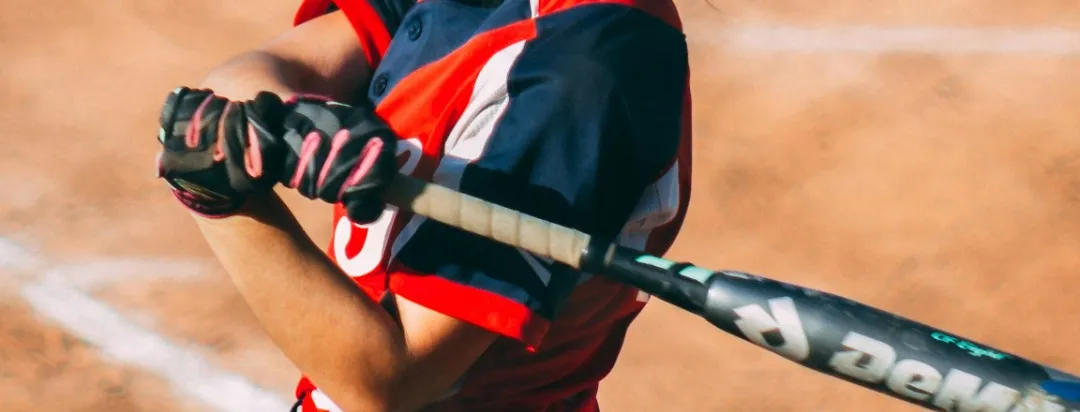
Softball bats are typically made of composite or aluminum, capped at 34 inches in length, and feature a thinner handle with a relatively larger barrel diameter to match the bigger ball. Baseball bats can be wood, composite, or alloy, running up to 42 inches in the professional ranks.
Weight distribution differs as well. Many softball bats are balanced or slightly end-loaded to help create bat speed through a compact swing, while baseball players often choose heavier drops to generate power over a longer path.
Game Length and Pace of Play
A regulation softball game lasts seven innings, compared with baseball’s nine. Fewer innings, smaller fields, and the absence of long mound visits combine to keep most fast-pitch contests under two hours.
Youth recreational softball occasionally uses a time limit rather than inning count to ensure tournaments stay on schedule, something rarely seen in organized baseball outside of mercy-rule situations.
Base Running and Stealing Rules
In fast-pitch softball runners must keep one foot on the base until the pitcher releases the ball. That restriction shortens their lead, making straight steals harder andadding strategy on hit-and-runs.
Baseball allows runners to lead off at their own risk as soon as the ball is live. Pitchers use pick-off moves to keep them honest, creating a cat-and-mouse element largely absent from softball.
Player Pathways and Typical Demographics
While both sports welcome any gender, baseball in the United States is predominantly male past youth levels and serves as a feeder to Major League Baseball and its minor league system. Softball, especially fast-pitch, is most often played by women and provides scholarship opportunities at nearly every collegiate level.
Internationally, the divide is less rigid, but knowing which leagues and scholarships exist for each sport can help young athletes choose a development track that fits their goals.
Key Takeaways
Softball and baseball might look similar at a glance, yet each sport has tailored its rules, equipment, and strategy to produce a distinct style of play. Field size, ball dimensions, pitching mechanics, and running rules all interact to shape atmosphere and tactics.
Understanding the key differences not only deepens appreciation for both games but also helps players transition more smoothly if they decide to switch diamonds.
Gametime Hero is the AI-powered operating system for active communities.
If you're organizing a community and tired of the chaos, start here

