Lorem ipsum dolor sit amet, consectetur adipiscing elit ut liqua purus sit amet luctus venenatis, lectus magna.


The terms adaptive sports and para sports often appear side by side, leading many people to assume they mean the same thing. While they overlap, the two labels describe separate frameworks within inclusive athletics.
Knowing how each system is organized helps athletes, parents, and organizers choose the best fit and appreciate the unique goals that drive every program.
Adaptive sports are any athletic activities that have been modified so individuals with physical, sensory, or intellectual disabilities can participate safely and competitively. The focus is on changing equipment or rules to match an athlete’s abilities rather than limiting who can join.
Programs can range from community-based pickup games to international tournaments. Because the definition is broad, eligibility is flexible and often decided by the hosting organization rather than a single global authority.
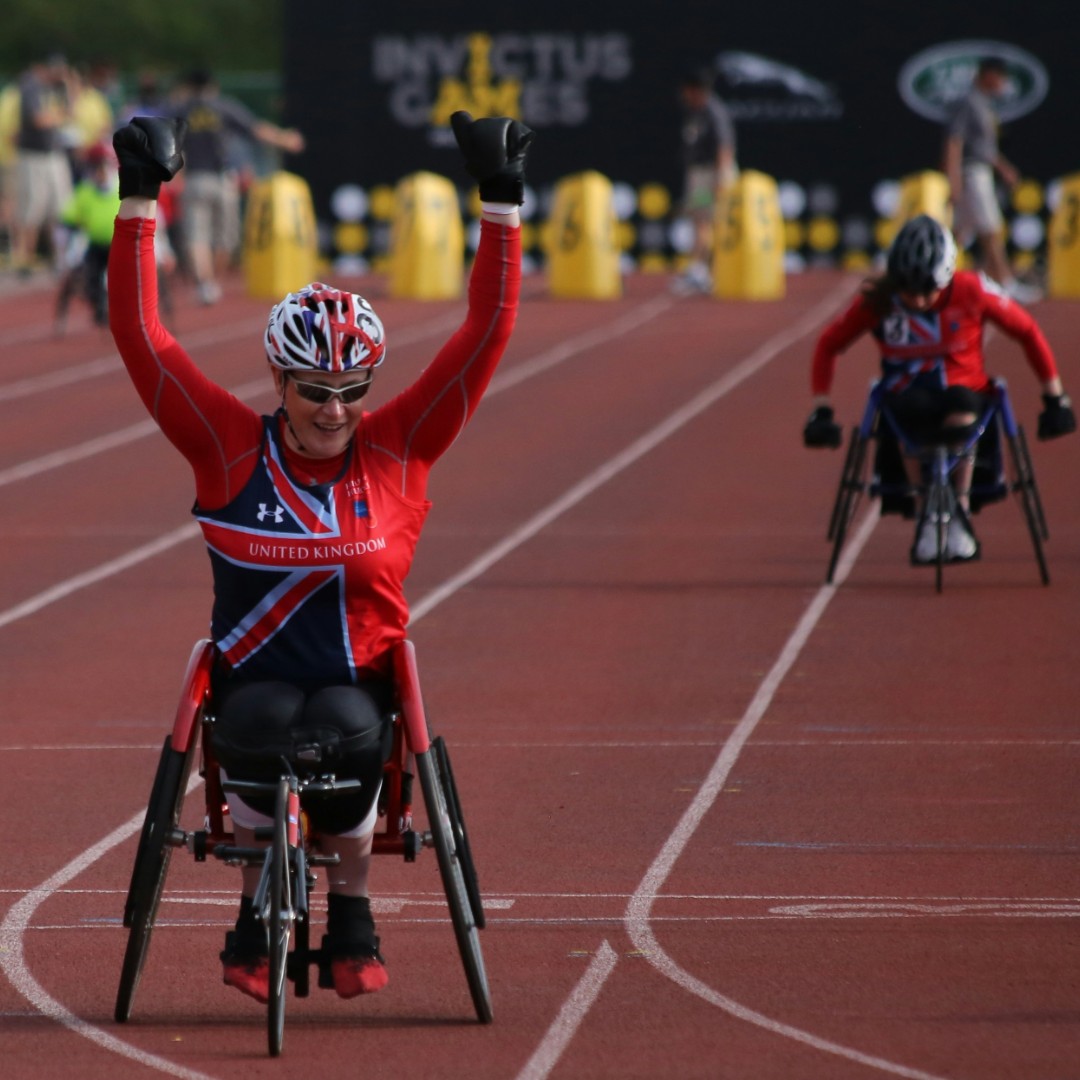
Para sports, short for Paralympic sports, are governed by the International Paralympic Committee or its affiliated bodies. Participation is limited to athletes who meet specific medical criteria for an impairment that fits a recognized classification.
Each sport has a detailed classification code that groups competitors by functional ability. This system aims to level the playing field so that outcomes hinge on training and skill rather than degree of disability.
Despite structural differences, both adaptive and para sports promote physical fitness, social inclusion, and competitive opportunity for people with disabilities.
Coaches often adopt creative strategies, and athletes in both systems demonstrate high performance standards that challenge public perceptions of disability.
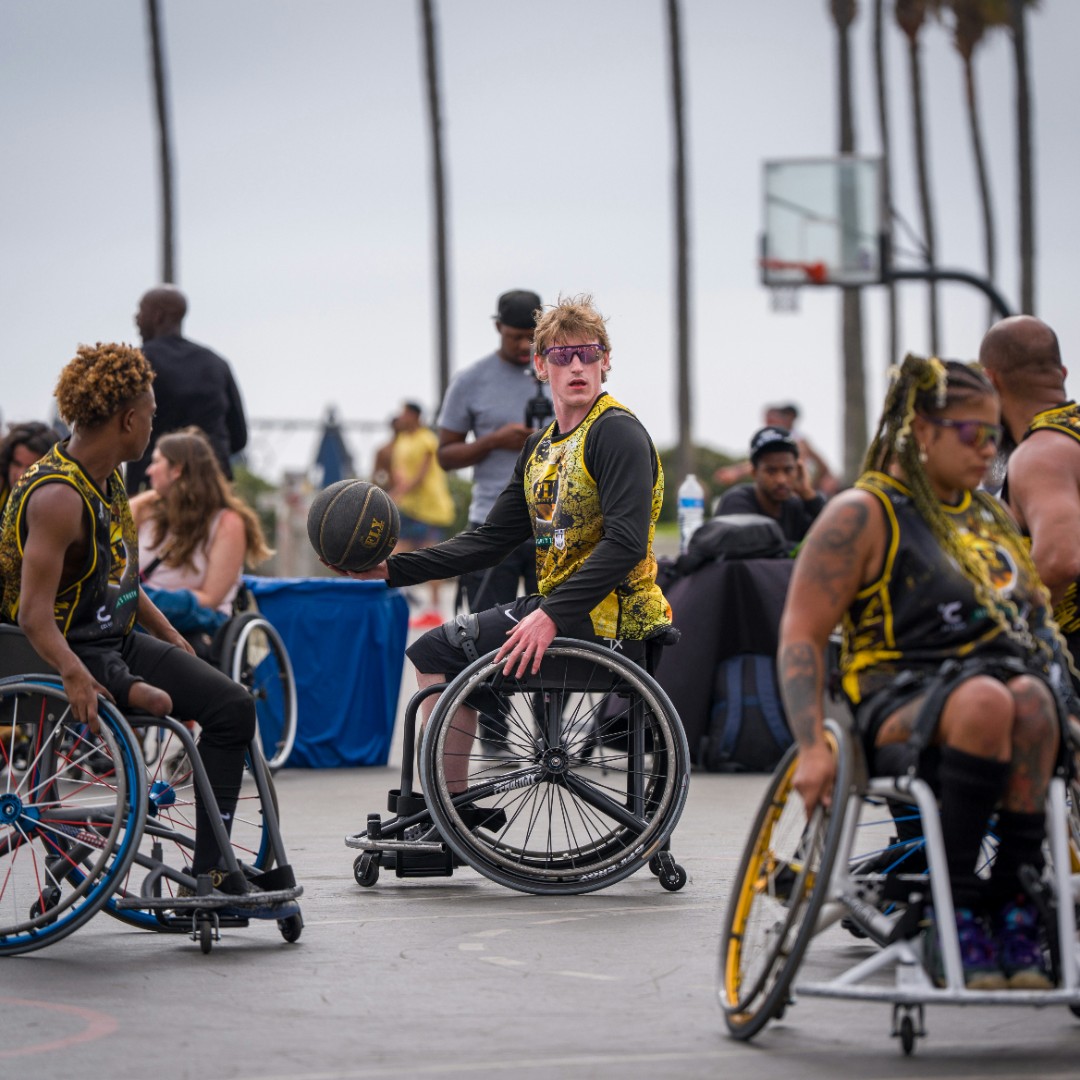
In adaptive sports, eligibility is generally open. A local wheelchair basketball league may welcome anyone who uses a chair, regardless of medical diagnosis or skill level. This openness encourages newcomers and recreational athletes.
Para sports require formal classification by certified classifiers. Athletes submit medical documentation and undergo physical and technical assessments. Only those placed in approved classes can compete, ensuring consistency across national and international events.
Adaptive programs typically emphasize access, enjoyment, and community engagement. While many leagues keep official standings, long-term athlete development is often secondary to participation.
Para sports align closely with high-performance pipelines that lead to the Paralympic Games. National teams, funding, and sports science support mirror those found in mainstream Olympic systems.
Several sports appear in both worlds, but the way they are structured differs.
Media outlets sometimes use "adaptive" and "para" interchangeably, which can create confusion. Policy documents, however, tend to be precise. Funding bodies may earmark grants specifically for para sport pathways, while municipalities sponsor adaptive recreation programs.
Understanding these nuances helps stakeholders secure the right resources and avoid mislabeling events or athletes.
Adaptive sports and para sports share a commitment to making athletics accessible, yet they function through different eligibility rules, competitive structures, and long-term objectives.
Whether an athlete seeks a relaxed community league or the rigor of Paralympic qualification, recognizing these differences is the first step toward finding a program that matches their goals and abilities.
Gametime Hero is the AI-powered operating system for active communities.
If you're organizing a community and tired of the chaos, start here
You know your community best — we know how to help it thrive.
You're already doing the hard part: building a community people care about. Gametime Hero gives you events, registration forms, a custom website, payments, scheduling, and communications — so you can stop juggling tools and start scaling.
Whether you run a weekly pickup group or a multi-season league, we'll walk you through exactly how it works for your setup.


Explore our collection of 200+ Premium Webflow Templates