
What Is a Dropped Third Strike in Baseball?
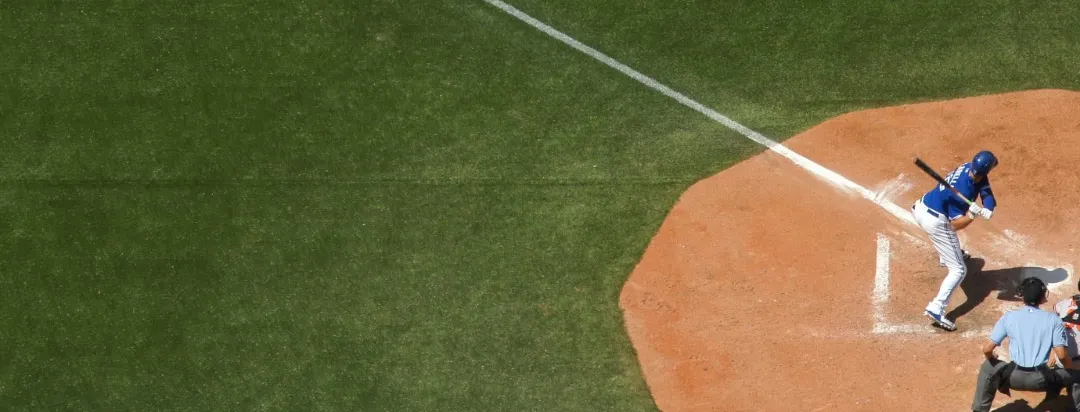
Few moments in baseball create as much sudden chaos as a dropped third strike. One second the pitcher seems to have notched a strikeout, and the next the batter is sprinting toward first while the catcher scrambles for the ball.
The dropped third strike rule is often misunderstood, yet it can flip an inning on its head if players are not alert. This guide breaks down exactly what the rule says, when it applies, and why it matters for everyone on the diamond.
Basic Definition of the Dropped Third Strike
A dropped third strike occurs when the catcher fails to secure the pitched ball on a swing and miss that would normally be strike three. "Dropped" can mean the ball touches the dirt before being caught or pops out of the catcher's mitt after initial contact.
Once the ball is not cleanly caught, the batter is no longer automatically out. Under specific conditions, the batter becomes a runner with the right to attempt to reach first base safely.
The Official Rule and When the Batter Can Run
According to professional and amateur rulebooks, the batter may attempt to reach first on a dropped third strike only if first base is unoccupied at the time of the pitch, or if there are two outs regardless of any baserunners.
This rule prevents the defense from gaining an easy force out advantage while still rewarding the pitcher with a strikeout if the catcher records the out at first.
- Fewer than two outs and first base open, batter may advance.
- Two outs, batter may advance even if first is occupied.
- Catcher must either tag the batter or throw to first for the out.
Strategy Implications for Batters and Catchers
For hitters, hustling on every third strike swing is crucial. Even a routine strikeout can become an infield single if the catcher fumbles the ball and the batter runs immediately.
Catchers train to block breaking pitches in the dirt specifically to avoid dropped strikes. Proper footwork, keeping the ball in front, and a quick, accurate throw to first are essential skills reinforced in daily drills.
Common Misconceptions and Notable Examples
One widespread myth is that a batter cannot run if he initially heads toward the dugout. The rule states the batter is out only when he is tagged or first base is legally touched with the ball in possession, so changing direction is still allowed.
Famous instances include postseason games where dropped thirds extended innings and sparked rallies, underscoring how a single miscue can shift momentum on the sport's biggest stage.
Historical Origins of the Rule
The dropped third strike concept dates back to the early days of organized baseball when equipment was less reliable. Allowing a batter to run on a muffed catch balanced the disadvantage of bulky gloves and uneven fields.
Over time, the rule has remained largely unchanged, reinforcing baseball's theme that every play is live until the defense secures the ball.
Role of Umpires and Signal Mechanics
Clear communication from the umpiring crew is vital during a dropped third strike. The home plate umpire immediately signals the strikeout, then uses a visual cue to show the ball is still in play.
Proper signals prevent confusion, ensuring both teams react appropriately and reducing the likelihood of arguments or missed opportunities.
- Home plate umpire gives strikeout signal, then points to the ground to indicate the ball was not caught.
- Field umpires must be ready for additional plays at first or other bases.
Conclusion
The dropped third strike rule adds a layer of unpredictability to an otherwise routine play. Batters gain a second life, catchers face immediate pressure, and fielders must stay alert to avoid costly errors.
By understanding the exact conditions and developing quick reflexes, teams can turn potential chaos into a routine out, while savvy hitters can capitalize on every opening the game provides.
Gametime Hero is the AI-powered operating system for active communities.
If you're organizing a community and tired of the chaos, start here

