Lorem ipsum dolor sit amet, consectetur adipiscing elit ut liqua purus sit amet luctus venenatis, lectus magna.

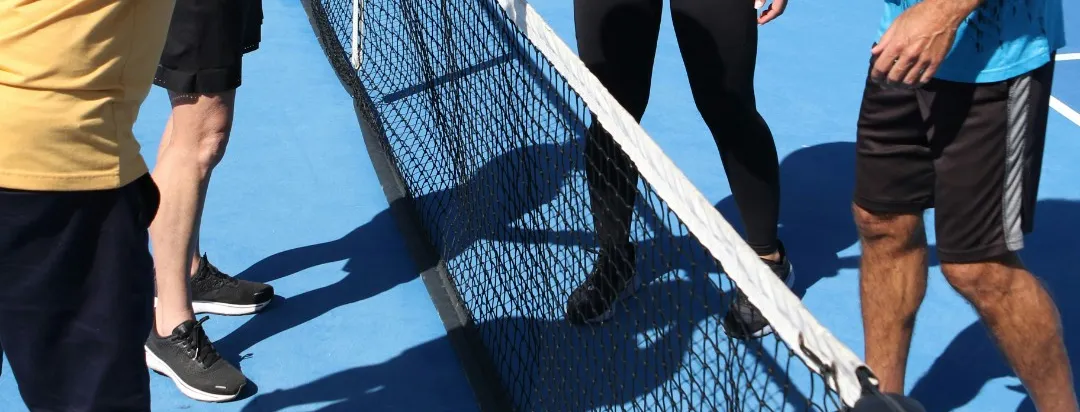
Round-robin play is one of the most popular ways to run a pickleball tournament because every participant faces every other participant, guaranteeing plenty of action and a fair outcome.
Whether you are coordinating a casual club event or a larger community tournament, the key to a smooth round robin is thoughtful preparation. The following guide walks through each phase of planning so you can focus on the fun once play begins.
In a round robin, each player or doubles team competes against every other entry in the field. Standings are determined by overall win-loss records, typically followed by point differentials as tiebreakers.
This format removes the luck of the draw found in single-elimination brackets, ensures participants get multiple games, and works well for groups of 4 to roughly 16 entries per division.
Start by confirming how many players are interested and how many courts you can reserve. The total number of matches in a single round robin is n × (n − 1) ÷ 2, where n is the number of entries.
For example, eight teams require 28 matches. On two courts, you will need fourteen match slots; on four courts, only seven slots. Factor in warm-up time and brief cushions so the schedule stays realistic.
Once numbers are set, create the rotation. A common approach is the "circle method": list teams in two rows, pair the ones opposite each other, then rotate the bottom row one space after every round.
Publish the full schedule before play begins so competitors know where to be and when. If you prefer a digital tool, most spreadsheet templates can auto-generate pairings after you input team names.
Traditional pickleball games are played to 11 points, win by 2. For large events, playing to 15 or capping games at 12 minutes can keep the day on track.
Make the scoring rules clear at the captain’s meeting. Consistency across all courts prevents confusion and arguments once competition heats up.
If you have an odd number of teams, one squad will sit out each round. Label those breaks as "bye" slots in the schedule so rest periods rotate evenly.
Avoid pairing the same team for back-to-back matches following a bye; mixing the order keeps the pace fair and minimizes idle stretches.
Designate a score table or use a clipboard at each court. Immediately after every game, players report scores to a central record keeper who updates the standings chart.
Rank teams first by total wins, then by point differential, and finally by head-to-head result if needed. Announce tiebreak procedures before play so there are no surprises.
Small touches such as water coolers, shaded seating, and music between rounds create a festival atmosphere and reduce fatigue. Volunteers can help retrieve balls and keep courts clear.
Consider prizes for sportsmanship or most creative team name alongside trophies for top finishers. The extra recognition makes newcomers feel included and encourages future participation.
A well-run round robin hinges on two things: a solid schedule and accurate scorekeeping. Nail those elements, and the day will flow naturally, giving every participant multiple chances to compete and connect with others.
With thoughtful planning, clear communication, and a touch of hospitality, your pickleball round-robin tournament will leave players already asking when the next one will be.
Gametime Hero is the AI-powered operating system for active communities.
If you're organizing a community and tired of the chaos, start here
You know your community best — we know how to help it thrive.
You're already doing the hard part: building a community people care about. Gametime Hero gives you events, registration forms, a custom website, payments, scheduling, and communications — so you can stop juggling tools and start scaling.
Whether you run a weekly pickup group or a multi-season league, we'll walk you through exactly how it works for your setup.


Explore our collection of 200+ Premium Webflow Templates