
What Is Obstruction in Netball?
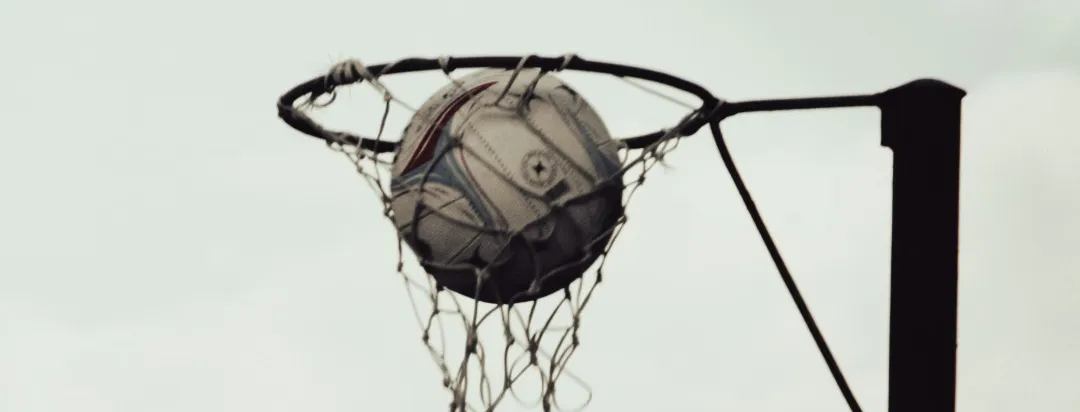
Netball rewards quick thinking and tight marking, but it also relies on clear space for passing and shooting. To protect that space, the sport enforces a strict obstruction rule.
Understanding what does and does not count as obstruction is essential for players, coaches, and fans alike. This guide breaks down the rule, the distance requirement, common scenarios, and how to stay on the right side of the whistle.
The Core Definition of Obstruction
In netball, obstruction occurs when a defending player is too close to an opponent who is about to pass or shoot the ball. The official distance is 3 feet, measured from the grounded foot of the player in possession to the nearest foot of the defender.
If that distance is breached and the defender’s actions impede vision, movement, or the throwing action, the umpire awards a penalty pass or shot to the attacking team.
Why the 3-Foot Distance Matters
The 3-foot, or 0.9-meter, buffer gives the attacker room to pivot, fake, and release the ball without illegal interference. It keeps play flowing and reduces injury risk from contact at the point of release.
Defenders can still apply pressure, tipping, blocking sight lines, and timing jumps, but they must start their movements from outside that invisible circle.
Different Forms of Obstruction
Umpires separate obstruction into two broad categories: obstruction of a player with the ball and obstruction of a player without the ball. Each has subtle differences in what is allowed.
A player without the ball may be screened or shadowed, but the defender cannot restrict their natural movement or cut across a running line unless the 3-foot space is observed once the ball arrives.
- With the ball: distance breach plus interference with pass or shot
- Without the ball: impeding free movement into an attacking space
Common Game Scenarios
Circle defenders often get called for obstruction when they step in after the shooter has already grounded a pivot foot. Remaining on the outside arm’s length and timing a vertical jump is legal; leaning over the shot is not.
Mid-court players can be penalized for closing down a passing lane too tightly, especially on centre passes where attackers pivot immediately after receiving the ball.
Penalties and Their Impact
The standard sanction for obstruction is a penalty pass or penalty shot, taken where the infringement occurred. The offending player must stand beside and away, out of play, until the ball is released.
Repeated infringements can draw advanced penalties or even warnings, shifting momentum and gifting easy scoring chances to the opposition.
How Umpires Judge Obstruction
Umpires watch foot placement first, then the defender’s arms and body angle. A clean contest involves vertical arms and no forward lean that narrows the attacker’s space.
Because the sport is fast, umpires rely on clear visual cues: grounded feet, ball position, and immediate distance. Players who exaggerate arm length or dive in late are likely to be called.
Training to Defend Legally
Footwork drills that teach quick lateral shuffles help maintain the 3-foot gap without sacrificing pressure. Players should practice mirroring an attacker’s pivot rather than lunging in.
Jump timing sessions, using resistance bands or hurdles, encourage vertical elevation over forward reach, keeping contests legal around the circle.
Tactical Use of Space
Smart teams funnel attackers toward sidelines or baseline to reduce passing options without stepping inside that critical radius. Communication between wing and circle defenders ensures that space is filled legally.
Attackers, in turn, exploit defenders who hesitate by using quick ball release and sharp changes of direction, forcing late challenges and inevitable obstruction calls.
Conclusion
Obstruction in netball is ultimately about respect for space. Keep three feet clear, contest vertically, and you stay in the game rather than on the sideline beside the umpire.
Mastering the balance between pressure and legality turns good defenders into match winners while letting the spectacle of netball thrive.
Gametime Hero is the AI-powered operating system for active communities.
If you're organizing a community and tired of the chaos, start here

