Lorem ipsum dolor sit amet, consectetur adipiscing elit ut liqua purus sit amet luctus venenatis, lectus magna.

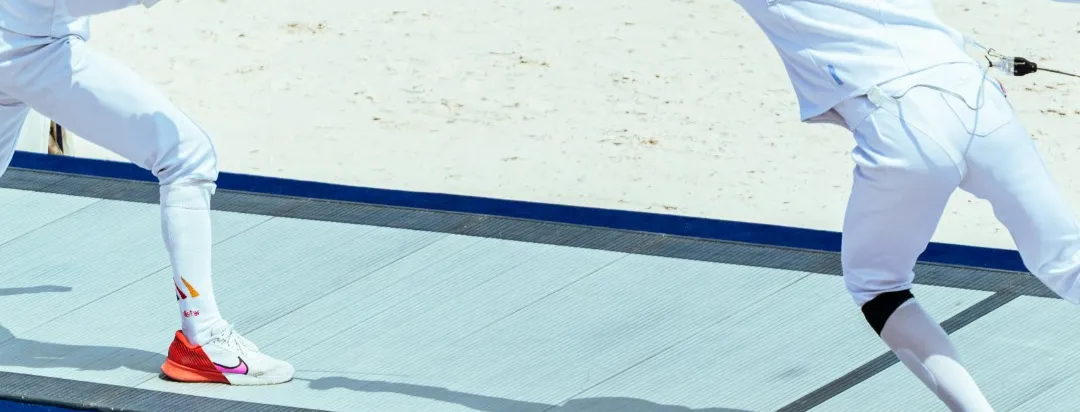
People often use the terms Paralympics and Special Olympics interchangeably, but these two sporting movements are distinct in many important ways.
From athlete eligibility to the style of competition, understanding the differences helps clarify how each organization supports athletes with disabilities around the world.
The Paralympics began in 1960 as an elite sporting event for athletes with physical impairments, growing out of rehabilitation sports programs for World War II veterans. Its mission centers on high-performance competition and showcasing athletic excellence.
The Special Olympics started earlier, in 1968, with a focus on inclusion and social change for individuals with intellectual disabilities. Rather than emphasizing elite performance, its goal is to provide year-round sports training and opportunities for participation.
Paralympic athletes must have a qualifying physical, visual, or certain intellectual impairment that fits within a specific classification code. Each athlete is evaluated to ensure fair and level competition within their sport category.
Special Olympics athletes must have an intellectual disability, a cognitive delay, or a similar developmental condition. There is no minimum performance standard, allowing athletes of all ability levels to participate and benefit from the programs.
Paralympic events mirror Olympic formats, following the same international rules with modifications where necessary. Athletes advance through heats, semifinals, and finals, and medals are awarded in a standard podium ceremony.
Special Olympics uses a divisioning system that groups athletes by age, gender, and ability to create balanced competition. Every participant receives recognition, and the atmosphere prioritizes encouragement over record-breaking.
The Paralympic Games take place every two years, alternating between Summer and Winter editions, in the same host cities that stage the Olympics. Thousands of athletes from more than 160 countries attend each Games.
Special Olympics holds World Games every two years as well, but it also supports local, regional, and national events year-round. With programs in over 190 countries, it reaches a wider grassroots base even if individual events are smaller in scale.
Paralympic classification is sport-specific and performance-based, designed to minimize the impact of an athlete’s impairment on the outcome of competition. Categories consider factors such as muscle power, limb deficiency, or visual acuity.
Special Olympics does not require performance standards or in-depth medical classification. Instead, simple documentation of intellectual disability suffices, and athletes are placed in equitable divisions through preliminary heats.
Paralympic broadcasts often receive significant airtime and sponsorship, highlighting world records and elite performances. This visibility helps challenge misconceptions about disability and athleticism.
Special Olympics coverage tends to emphasize human-interest stories and community impact. While it attracts fewer commercial sponsors, its narratives often resonate with audiences looking for inspirational content and inclusive messaging.
In limited cases, athletes with both physical and intellectual impairments may be eligible for each organization, but the competitive paths rarely overlap. Training demands and scheduling conflicts usually steer athletes toward one route.
Choosing between the two often depends on personal goals. Those seeking elite-level performance and Paralympic medals follow the IPC pathway, while athletes looking for broad participation and community integration gravitate toward the Special Olympics.
The Paralympics and the Special Olympics share a commitment to empowering athletes with disabilities, yet they serve different purposes. The Paralympics focuses on elite competition among athletes with physical, visual, or certain intellectual impairments, whereas the Special Olympics promotes inclusive participation for individuals with intellectual disabilities of all skill levels.
Recognizing the unique value of each movement helps fans, coaches, and aspiring athletes choose the environment that best aligns with their goals, fostering a richer and more inclusive global sports culture.
Gametime Hero is the AI-powered operating system for active communities.
If you're organizing a community and tired of the chaos, start here
You know your community best — we know how to help it thrive.
You're already doing the hard part: building a community people care about. Gametime Hero gives you events, registration forms, a custom website, payments, scheduling, and communications — so you can stop juggling tools and start scaling.
Whether you run a weekly pickup group or a multi-season league, we'll walk you through exactly how it works for your setup.


Explore our collection of 200+ Premium Webflow Templates