
What Is a Check Swing in Baseball?
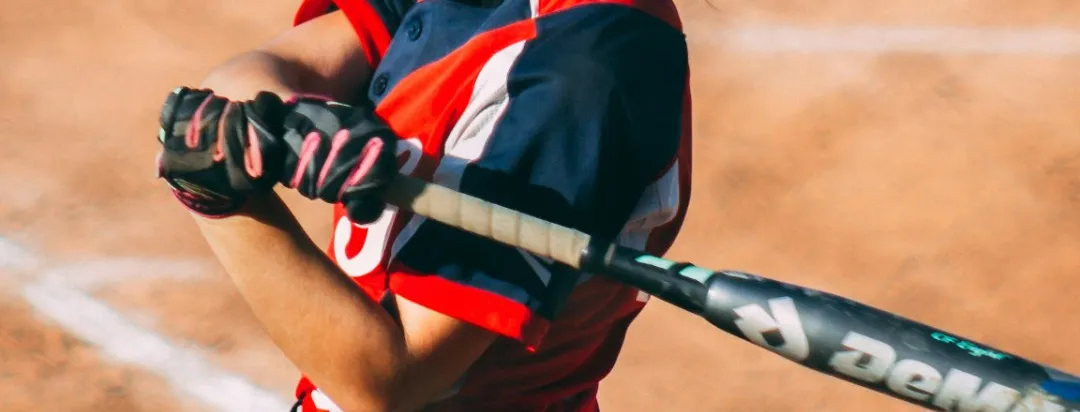
Few moments in baseball create more dugout chatter than a disputed check swing. In the blink of an eye an at-bat can pivot from certain strike to renewed hope, all because a batter pulled the bat back just in time, or so it seems.
Despite the frequency of these split-second calls, many fans are still fuzzy on the exact definition, the factors umpires use to decide, and how a check swing shapes game strategy. This guide breaks it all down in plain language.
Defining the Check Swing
A check swing occurs when a batter starts to offer at a pitch but stops the motion before fully committing. If the bat does not meet the criteria for a full swing, the pitch is ruled a ball (assuming it is outside the strike zone).
MLB rule books give no hard line for where the bat must stop; instead, umpires judge intent based on bat position, wrist action, and whether the barrel crosses the front edge of home plate.
Why Hitters Use a Check Swing
Modern pitchers rely on late-breaking sliders and changeups designed to fool hitters mid-swing. By beginning the swing early and then checking, a batter can protect the plate without fully committing to a bad pitch.
The move also keeps the defense honest. A half-swing still freezes infielders and catchers momentarily, potentially buying the runner on base an extra step.
How Umpires Judge a Check Swing
The plate umpire makes the initial call. If there is doubt, defensive players will often point to a base umpire for help. The base umpire has a clearer view of the bat path and can overrule or confirm the plate umpire’s call.
Key factors include whether the wrists “broke,” if the barrel passed the front of the plate, or if the batter made an attempt to strike the ball. Because these elements are subjective, consistency from one crew to another can vary.
- Wrist break: Did the batter roll the wrists over?
- Barrel location: Did the bat cross the plate’s leading edge?
The Appeal Process and Manager Challenges
Catchers routinely appeal a check swing by pointing to the first-base umpire (for right-handed hitters) or third-base umpire (for left-handed hitters). The plate umpire is required to grant the request on half-swings if asked.
While MLB has expanded video replay for many plays, check swings remain largely judgment calls that cannot be challenged through replay. Managers must decide quickly whether to voice their disagreement or save energy for a more reviewable play.
Impact on Pitchers and Game Strategy
Pitchers count on borderline pitches to induce weak contact or missed swings. A properly timed check swing can force the pitcher to throw extra pitches, boosting pitch counts and tiring arms.
Conversely, an unsuccessful check swing that is ruled a strike can put the batter in a defensive two-strike count, allowing the pitcher to expand the zone on later pitches.
Famous Check Swing Controversies
One of the most debated calls came in the 2021 National League Division Series when Wilmer Flores was ruled to have swung on a two-strike pitch, ending the Giants’ season. Slow-motion replays sparked renewed discussion about adding video review for check swings.
Earlier, the 2004 ALCS featured a key check swing by Johnny Damon that shifted momentum back to the Red Sox. Such episodes highlight how subjective rulings on half-swings can echo through baseball history.
Conclusion
A check swing may last only a fraction of a second, yet its ripple effect can change pitch selection, pacing, and even postseason outcomes. Understanding the criteria umpires use and the strategy batters follow adds a new layer of appreciation to each close call.
The next time you see a catcher appeal down the line, you will know exactly what is at stake, and why players and fans react so passionately to the umpire’s verdict.
Gametime Hero is the AI-powered operating system for active communities.
If you're organizing a community and tired of the chaos, start here


