Lorem ipsum dolor sit amet, consectetur adipiscing elit ut liqua purus sit amet luctus venenatis, lectus magna.

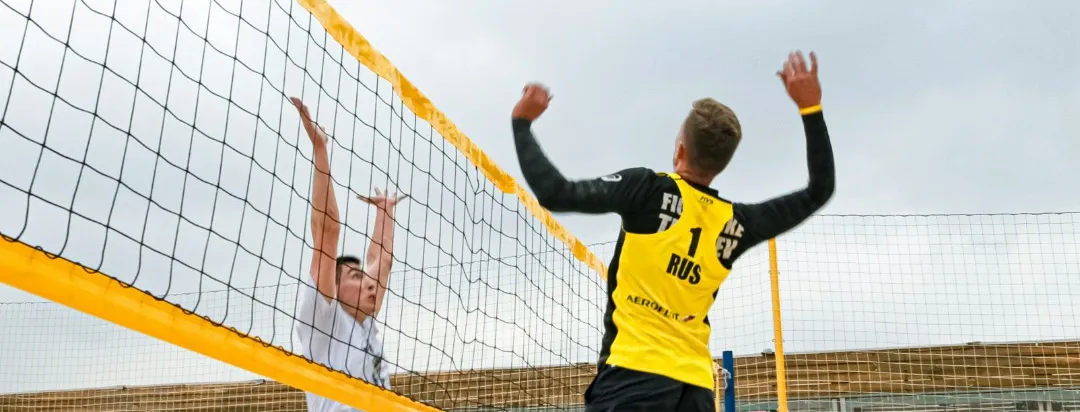
Modern volleyball features a handful of specialized positions, but few spark as much confusion as the defensive specialist. At first glance the role seems identical to the libero; both enter the backcourt, both are passing experts, and both rarely attack above the net.
Look closer and you will find important rule differences and strategic nuances that separate the two. This guide unpacks exactly what a defensive specialist is, how the spot compares to the libero, and why coaches sometimes choose one, both, or neither during a match.
A defensive specialist, often shortened to DS, is brought in mainly for serve-receive and floor defense. Coaches rely on the DS to shore up a weaker passer, extend rallies with digs, and steady the backcourt when pressure mounts.
Unlike front-row players who must balance hitting with blocking, the DS can focus all energy on anticipating attacks, reading hitters, and delivering accurate first contacts to the setter.
Serve-receive remains the top responsibility. A DS must pass consistently within the setter’s window, reducing out-of-system plays that stall an offense.
On defense the DS covers tips, pipes, and hard-driven cross-court swings. Quick reaction time, low body positioning, and seamless communication with the libero are vital.
The libero wears a contrasting jersey and can replace any back-row player without counting as a substitution. A DS, on the other hand, follows the normal substitution rules of the competition, which limits how often they can enter.
Liberos cannot complete an overhead set in front of the attack line that is then attacked above the net, nor are they allowed to serve in some leagues. A DS faces no such restrictions; they may serve, set in the front zone, or even attack from the back row if they have the jump and height.
Because a DS counts against a team’s substitution total, coaches must plan rotations carefully. High-school rules in the United States allow 18 subs per set, while NCAA women’s volleyball permits 15. International FIVB competition limits teams to just six subs per set, making DS usage rare at that level.
A libero, in contrast, can shuttle in and out after every rally if desired, offering more flexibility but also imposing the jersey and attack restrictions noted above.
Teams with multiple strong passers may opt for a DS so they can keep offensive options open. A DS can serve, swing from the back row, or take an emergency set without violating any rules, giving the offense another wrinkle.
Some coaches rotate two DS players to cover opposite serve-receive seams, especially if the libero is already locked into defending a particular hitter or serving specialist.
Repetition is the golden rule. Hundreds of serve-receive reps every practice sharpen touch and consistency. Drills that isolate one-arm digs or emergency pancakes build confidence in chaotic points.
Mental preparation is equally important. A DS checks scouting reports on opponent hitters, studies server tendencies, and maintains vocal leadership in the backcourt.
The defensive specialist is a flexible option for coaches who value extra passing strength yet still want the tactical freedom to serve, hit, or substitute within normal rules. While the position shares many defensive traits with the libero, key rule differences shape how each is deployed.
Understanding those contrasts helps players choose the path that best matches their skills, and helps coaches craft lineups that maximize both defensive coverage and overall roster efficiency.
Gametime Hero is the AI-powered operating system for active communities.
If you're organizing a community and tired of the chaos, start here
You know your community best — we know how to help it thrive.
You're already doing the hard part: building a community people care about. Gametime Hero gives you events, registration forms, a custom website, payments, scheduling, and communications — so you can stop juggling tools and start scaling.
Whether you run a weekly pickup group or a multi-season league, we'll walk you through exactly how it works for your setup.


Explore our collection of 200+ Premium Webflow Templates