
What Is an Adaptive Recreation Program?
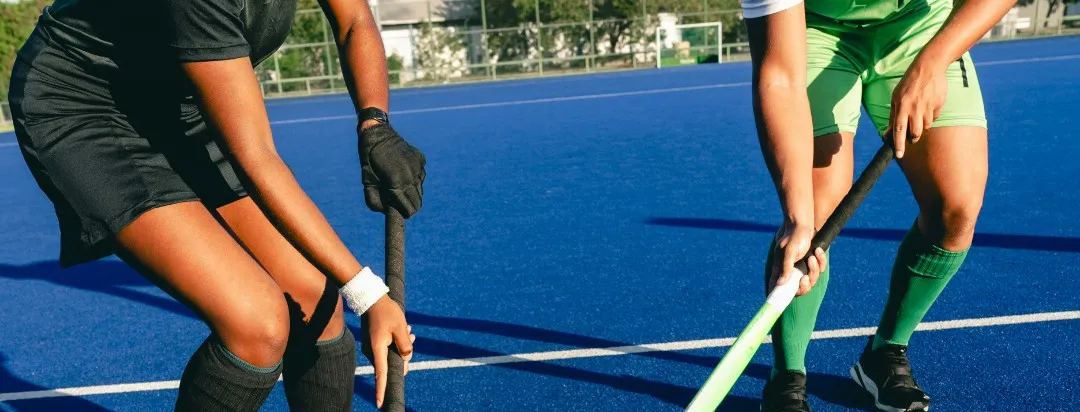
An adaptive recreation program is an organized set of activities that adjusts rules, equipment, and environments so people with physical, sensory, or cognitive disabilities can take part safely. Programs run through park departments, nonprofits, hospitals, or fitness centers, usually led by certified adaptive sports or therapeutic recreation specialists.
Recreation is most rewarding when everyone can take part. Adaptive recreation programs make that possible by tailoring sports, fitness classes, and outdoor adventures to the specific needs of participants with physical, sensory, or cognitive disabilities.
Instead of creating entirely new games, these programs adjust rules, equipment, and environments so each individual can enjoy the same excitement, challenge, and social connection as any other athlete or hobbyist.
Adaptive Recreation at a Glance
An adaptive recreation program is an organized set of activities designed to remove barriers that might otherwise prevent people with disabilities from participating. Whether the barrier is mobility, vision, hearing, or neurodiversity related, instructors look for safe, creative ways to level the playing field.
Programs can be run by municipal park departments, nonprofit organizations, hospitals, or private fitness centers. They range from single-sport clubs to full-service recreation departments with dozens of weekly classes.
Who Benefits Most?
While anyone is welcome, adaptive recreation specifically serves children, teens, adults, and seniors with conditions such as spinal cord injuries, limb differences, autism spectrum disorder, Down syndrome, multiple sclerosis, visual impairments, and traumatic brain injuries.
Family members and caregivers also benefit because inclusive programming offers respite and strengthens social networks. Many programs encourage siblings and friends without disabilities to join, promoting community integration.
Key Elements of a Quality Program
Safety is paramount, so certified adaptive sports specialists or therapeutic recreation professionals usually lead each session. Assessments are conducted before participation to understand goals and limitations.
Successful programs share three common features: individualized adaptations, progressive skill development, and an emphasis on social engagement. These pillars ensure people return week after week rather than viewing the class as a one-time novelty.
- Instructor-to-participant ratios kept low for personalized coaching
- Accessible facilities with ramps, wide doorways, and adaptive restrooms
- Partnerships with medical professionals for ongoing guidance
Popular Activities Offered
Options often mirror mainstream recreation calendars but use specialized gear such as sport wheelchairs, tandem cycles, or tactile maps. Aquatic programs, wheelchair basketball, goalball, adaptive yoga, and rock-climbing clinics are common staples.
Seasonal offerings might include sit-skiing in winter or adaptive kayaking in summer, letting participants experience outdoor thrills previously out of reach.
Adapting Equipment and Rules
Sometimes the only change required is a larger grip on a paddle or a brighter color contrast on a ball. Other times wholesale rule modifications are needed, like shortening game durations to avoid fatigue or allowing extra bounces in wheelchair tennis.
Programs experiment constantly, guided by participant feedback. The goal is to keep the spirit of the activity intact while ensuring everyone can compete or play comfortably.
How to Find or Start a Program
Local park districts, rehabilitation hospitals, and national organizations such as Disabled Sports USA maintain searchable directories of adaptive opportunities. Social media groups focused on disability sports in your region can also be helpful.
If no program exists nearby, consider partnering with community centers, physical therapists, or advocacy groups to launch one. Grants, donated equipment, and volunteer coaches often provide the initial support needed to get off the ground.
Conclusion
Adaptive recreation programs prove that physical activity and leisure belong to everyone. With thoughtful modifications and trained staff, the same games that spark joy in mainstream settings can deliver equal excitement and growth for people with disabilities.
Whether you join an established class or help create a new one, the experience enriches not only participants but the broader community by showcasing what true inclusion looks like in action.
Gametime Hero is the AI-powered operating system for active communities.
If you're organizing a community and tired of the chaos, start here

