
What Is the Third Place?
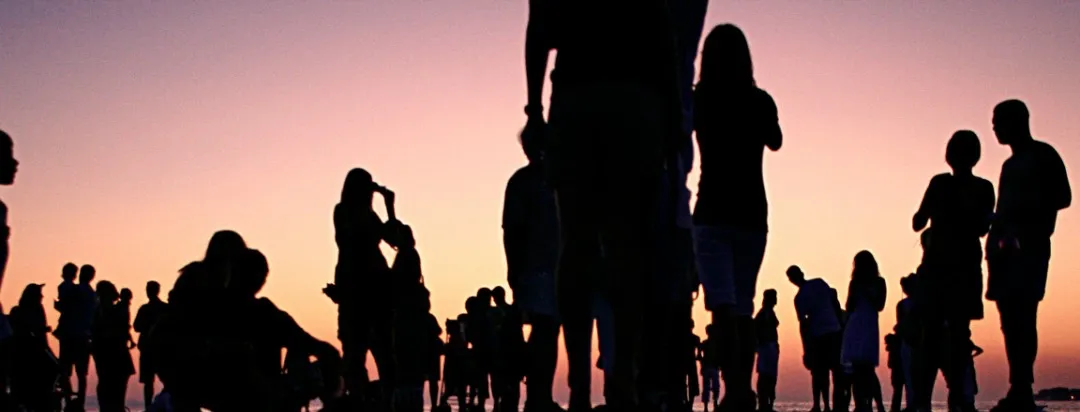
A third place is an informal public setting outside home, the first place, and work, the second place, a term from sociologist Ray Oldenburg. Cafes, parks, libraries, and community centers qualify as neutral ground where conversation, friendship, and belonging develop. Online groups and forums can serve this role too.
Home and work dominate most daily routines, yet meaningful life often unfolds somewhere in between. That in-between zone is what sociologist Ray Oldenburg famously labeled the “third place.”
From cozy cafés to neighborhood parks, third places offer neutral ground where conversation flows, friendships form, and a sense of belonging grows. This article unpacks the concept, highlights its benefits, and explores how third places are adapting to modern life.
Defining the Third Place
A third place is any informal public setting that sits apart from the private sphere of home (the first place) and the structured environment of work (the second place).
Oldenburg argued that healthy societies rely on these relaxed venues because they invite spontaneous interaction, foster civic engagement, and level social hierarchies.
Why the Concept Matters
Third places provide low-stakes opportunities to meet new people, share ideas, and cultivate social capital, which helps neighborhoods thrive.
Studies link robust third-place culture to reduced loneliness, stronger local economies, and increased volunteerism, underscoring their far-reaching impact.
Hallmarks of a True Third Place
Not every hangout qualifies. Oldenburg identified several common traits that set genuine third places apart from ordinary commercial venues.
- Neutral ground where no one is required to play host
- Accessible and inexpensive, lowering barriers to entry
- Conversation is the main activity, not consumption
- Regulars mix easily with newcomers, creating a welcoming vibe
- A playful mood that encourages humor and storytelling
Classic Examples Around the World
European cafés once nurtured Enlightenment debates, while English pubs served as informal town halls. In the United States, barber shops, diners, and front porches filled a similar role.
Community centers, libraries, and open-air markets also function as third places, providing shelter for interaction that cuts across age, income, and background.
Digital Third Places in the Internet Age
As lifestyles shift online, social media groups, gaming servers, and discussion forums replicate many qualities of physical third places.
While these digital spaces excel at connecting dispersed communities, they can lack the accountability and serendipity found in face-to-face encounters.
Challenges and the Future of Third Places
Rising real estate costs, zoning restrictions, and the convenience of at-home entertainment threaten the survival of brick-and-mortar third places.
Urban planners, business owners, and residents are experimenting with mixed-use developments, pedestrian plazas, and flexible coworking cafés to keep the tradition alive.
Conclusion
Third places may look different today than they did a century ago, yet their core purpose remains unchanged: bringing people together on common ground.
Whether they exist on a quiet street corner or within a vibrant online community, nurturing these social sanctuaries is essential for building resilient, connected neighborhoods.
Gametime Hero is the AI-powered operating system for active communities.
If you're organizing a community and tired of the chaos, start here

