Lorem ipsum dolor sit amet, consectetur adipiscing elit ut liqua purus sit amet luctus venenatis, lectus magna.

The Summer Paralympic Games showcase elite athletic performance across a wide range of physical impairments, but many fans are still surprised by the breadth of events on the schedule.
From high-speed wheelchair racing to tactical team sports like goalball, the current program features 22 disciplines. Here is a closer look at every sport you can expect to see when the Paralympic flame is lit.
The International Paralympic Committee (IPC) reviews and finalizes the Games program well in advance of each edition. Sports must demonstrate global reach, robust classification systems, and ongoing development pathways to earn or keep their place.
Occasionally events are added, removed, or modified. Badminton and taekwondo, for example, debuted in the Tokyo 2020 cycle after meeting the IPC’s stringent criteria.
The following 22 sports make up the core program for the upcoming Summer Paralympics:
Each sport has multiple medal events broken down by gender and impairment classifications, bringing the total medal count well into the hundreds.
Athletics and swimming headline the Games, accounting for the largest number of medal opportunities. Both sports feature events tailored to different functional classes, ensuring fair competition from sprints to marathons.
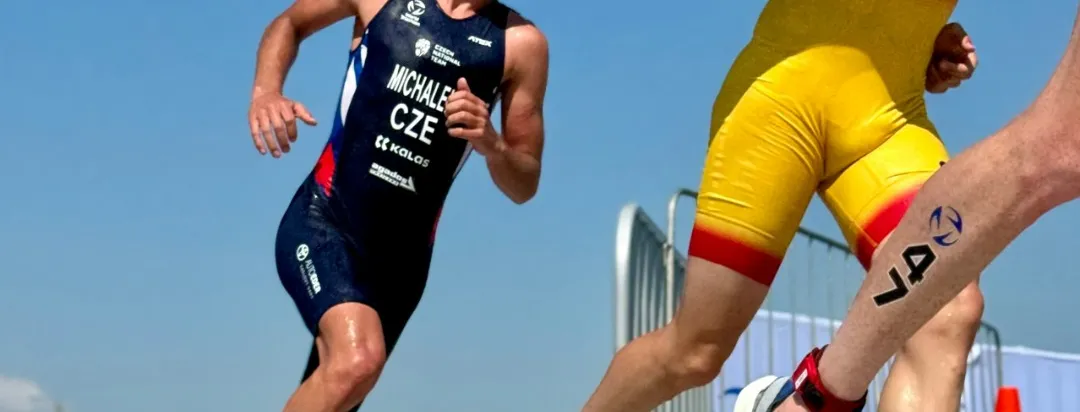
Paratriathlon, cycling, and paracanoe extend the endurance offering, often drawing athletes who compete in multiple disciplines across the Games.
Wheelchair basketball, wheelchair rugby, football 5-a-side, and sitting volleyball bring fast-paced, strategic team play to packed arenas. Each sport uses specialized equipment or modified rules to balance speed, contact, and safety.
Goalball, created specifically for athletes with visual impairments, is played in near silence so competitors can track the bell-filled ball by sound alone.
Archery, shooting, and boccia test focus and fine motor control more than raw power. Boccia, though lesser known, is one of the few Paralympic sports without an Olympic counterpart and is open to athletes with severe impairments.
Martial arts fans can follow para judo and para taekwondo, where adjustments to gripping rules or striking zones level the playing field across classification groups.
Powerlifting showcases pure upper-body strength, with athletes performing single-rep bench presses that often exceed triple their body weight. Strict judging standards mirror those of able-bodied powerlifting, emphasizing lockout and control.
Rowing and wheelchair fencing also demand explosive strength, though they pair it with endurance and tactical decision-making for a unique competitive blend.
Para badminton and wheelchair tennis offer high-speed rallies and sharp angles that rival their Olympic versions. Both sports use standardized courts, with the primary adaptations involving wheelchairs or classification-based serving rules.
Table tennis rounds out the racquet category, featuring standing and sitting classes that highlight lightning-quick hand-eye coordination.
The Summer Paralympics have grown from a modest collection of rehabilitation-focused events to a globally celebrated showcase of athletic excellence across 22 dynamic sports.
Whether you tune in for the strategy of wheelchair rugby or the photo finishes on the track, the diversity of disciplines ensures there is something compelling for every sports fan.
Gametime Hero is the AI-powered operating system for active communities.
If you're organizing a community and tired of the chaos, start here
You know your community best — we know how to help it thrive.
You're already doing the hard part: building a community people care about. Gametime Hero gives you events, registration forms, a custom website, payments, scheduling, and communications — so you can stop juggling tools and start scaling.
Whether you run a weekly pickup group or a multi-season league, we'll walk you through exactly how it works for your setup.


Explore our collection of 200+ Premium Webflow Templates