
Is Women’s Professional Baseball the Same as Softball?
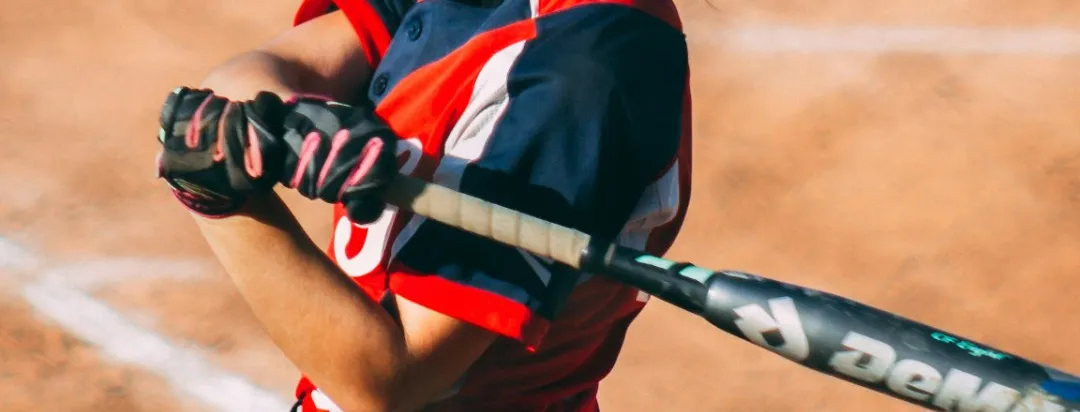
No, women's professional baseball is not the same as softball. Baseball uses 90-foot base paths, a 60-foot 6-inch pitching distance, a smaller ball and overhand pitching. Fast-pitch softball uses 60-foot bases, a 43-foot pitching circle, an 11 or 12-inch ball and underhand windmill pitching.
Because softball has long been the primary diamond sport offered to female athletes in the United States, many fans assume that any women’s league featuring bats, gloves, and bases must be softball by default.
Women’s professional baseball does exist, and while the two sports look similar at first glance, they are not the same. From field dimensions to style of play, the differences are clear once you know what to look for.
Baseball vs Softball: A Quick Primer
Baseball and softball stem from the same 19th-century ancestor, yet they developed distinct rule books over time. Modern baseball is built around a 90-foot base path and a 60-foot 6-inch pitcher’s mound. Fast-pitch softball, the version played at the elite level, uses 60-foot bases with a pitcher’s circle 43 feet from home plate.
Those core measurements shape everything from pitching mechanics to offensive strategy, making each sport feel unique despite shared fundamentals like batting, fielding, and base running.
Field Dimensions and Equipment
Women’s professional baseball uses the same diamond measurements found in the men’s game, including 90-foot bases and an outfield that typically stretches 330 feet down the foul lines. Softball, by contrast, is played on a smaller field with shorter fences, which speeds up play and puts more pressure on infield defense.
Ball size adds another clear visual cue. A regulation baseball measures about 9 inches in circumference, while an 11- or 12-inch softball is used depending on the competition level. Bats follow suit: baseball bats tend to be narrower and longer, whereas softball bats have a slightly thicker barrel optimized for the larger ball.
- Baseball base paths: 90 ft | Softball base paths: 60 ft
- Pitching distance: 60'6" in baseball | 43' in fast-pitch softball
- Ball circumference: 9 in (baseball) vs 11–12 in (softball)
Pitching Style and Game Pace
Perhaps the most noticeable on-field difference is the pitching motion. Baseball pitchers deliver the ball overhand or sidearm from an elevated mound. Softball pitchers throw underhand using a windmill motion from a flat circle. This change in release point alters pitch velocity, movement, and the hitter’s eye level.
Game length also varies. Professional baseball features nine-inning games, while top-level softball is typically seven innings. The shorter game combined with the tighter field creates faster innings and more small-ball tactics in softball.
The Current Landscape of Women’s Professional Baseball
Although softball dominates scholastic and collegiate programs, women’s baseball continues to carve out its own space. The Japan Women’s Baseball League operated from 2009 to 2021, and several independent clubs across North America stage exhibition tours each year. On the international stage, the Women’s Baseball World Cup has showcased top talent since 2004.
These leagues use the standard baseball rule set, giving female athletes opportunities to play the game on its traditional scale rather than transitioning to softball after youth competition.
Why the Two Sports Are Often Confused
Historically, access drives perception. In the United States, Title IX opened doors for women’s college athletics in the 1970s, and softball was adopted widely because it required fewer resources and facilities. Baseball programs for women never gained the same institutional foothold, leading fans to equate women’s diamond sports with softball by default.
Media coverage compounds the mix-up. Olympic exposure, professional softball leagues, and televised college championships give softball a consistent spotlight, while women’s baseball remains largely niche. As a result, many assume the sports are interchangeable when, in reality, they follow different blueprints.
Career Pathways and Collegiate Options
In the United States, a high school player who wants to continue on scholarship will almost always find those opportunities in softball because the NCAA sponsors the sport across all divisions. Women’s baseball is not yet an NCAA championship sport, so players often join club teams, play in coed leagues, or travel abroad to keep competing.
Grassroots organizations like Baseball For All and regional development camps aim to bridge that gap, providing girls with coaching, tournaments, and visibility that could one day translate into more formal collegiate and professional avenues.
Conclusion
Women’s professional baseball is not the same as softball. The two sports diverge in field size, pitching mechanics, equipment, and even game length. Softball’s smaller diamond and underhand pitching create a faster, more compact style of play, whereas baseball maintains the dimensions and overhand pitching that define the classic game.
Understanding these distinctions helps fans appreciate the unique skills each discipline demands and supports efforts to grow both opportunities for female athletes and awareness of women’s baseball on its own terms.
Gametime Hero is the AI-powered operating system for active communities.
If you're organizing a community and tired of the chaos, start here

