
Are Padel and Pickleball Actually Different Sports?
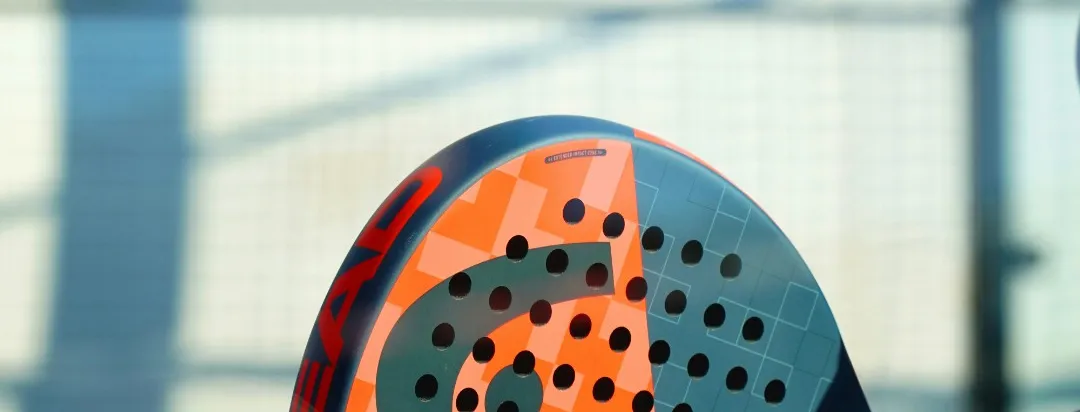
Yes, padel and pickleball are distinct sports. Pickleball began in 1965 on an open 20 by 44 foot court with no walls. Padel began in 1969 in Mexico on a 20 by 10 meter court enclosed by glass and mesh walls that allow rebounds, with a lower net and foam-filled rackets.
If you have noticed new courts popping up in parks and clubs lately, you are not alone. Padel and pickleball are two of the world’s fastest-growing racket sports, and their rise has sparked a fair bit of confusion.
Both games use solid paddles and a perforated ball, both reward quick reflexes and social play, and both aim to be more accessible than traditional tennis. Yet once you step on court the sports feel, and are, distinct. This guide breaks down how padel and pickleball differ so you can pick the right game for your next match.
Origins and Historical Roots
Pickleball was invented in 1965 on Bainbridge Island, Washington, by a group of friends looking to entertain their families with a mash-up of badminton, ping-pong, and tennis. The homemade pastime quickly spread across North America.
Padel, on the other hand, traces its roots to 1969 in Acapulco, Mexico, where space constraints led to a smaller, walled tennis court concept. The sport flourished in Spain and Latin America before making its way worldwide.
Court Dimensions and Playing Environment
A pickleball court measures 20 feet by 44 feet, shares the same lines for singles and doubles, and is played on an open surface with a 36-inch net at the sidelines. No walls are involved.
Padel courts are 20 meters by 10 meters (roughly 66 by 33 feet) and are enclosed by glass and mesh walls that keep the ball in play. The net sits lower, around 34 inches at the center, but the surrounding walls add an extra tactical layer that changes everything.
- Pickleball: open court, no rebounds
- Padel: enclosed court, wall rebounds allowed
Equipment: Paddles and Balls
Pickleball paddles are solid, flat, and typically made from composite materials or graphite. The ball is a lightweight plastic sphere with evenly spaced holes, resembling a larger wiffle ball.
Padel rackets are thicker and foam-filled with drilled holes on the hitting surface to reduce air resistance. The ball looks like a slightly depressurized tennis ball, giving it a livelier bounce suited to wall play.
Rules and Scoring Systems
Pickleball uses an underhand serve that must land in the opposite diagonal service box. Points are scored only by the serving team, and games are commonly played to 11, win by two.
Padel follows the traditional tennis scoring sequence of 15-30-40-game, and teams can volley off the walls after the ball has bounced once. Serves are executed underhand after a bounce behind the baseline, and both teams can win points regardless of who served.
Playing Style and Strategy
Without walls, pickleball rallies emphasize quick net exchanges, sharp angles, and soft dink shots designed to set up put-aways. Footwork is compact but constant because the court is uncovered.
Padel strategy blends tennis groundstrokes with squash-style rebounds. Players often retreat to the back glass to buy time, then sprint forward to finish points at the net. The enclosed space rewards patience and clever use of the walls.
Popularity and Accessibility
Pickleball’s low equipment cost and minimal learning curve have given it a massive grassroots following in the United States, where public courts and community leagues abound.
Padel is deeply embedded in Spain, Argentina, and the Middle East, supported by professional tours and club infrastructure. Its global footprint is catching up fast as investors build dedicated facilities in new markets.
Which Sport Is Easier to Learn?
Most beginners find pickleball easier at first thanks to its smaller court, slower plastic ball, and straightforward serve. Matches can be picked up casually within minutes.
Padel involves more court coverage and the added complexity of wall rebounds, which can lengthen the learning phase. However, players with tennis or squash backgrounds often adapt quickly and appreciate the tactical depth.
Final Thoughts
Padel and pickleball share a spirit of inclusivity and fun, yet their differences in court design, equipment, and rule sets make them unmistakably separate sports.
Choosing between them comes down to personal preference. If you enjoy fast reflex volleys on an open court, pickleball may be your game. If you want extended rallies that use every surface around you, padel is worth a try. Either way, both sports add fresh variety to the racket-sport landscape.
Gametime Hero is the AI-powered operating system for active communities.
If you're organizing a community and tired of the chaos, start here

